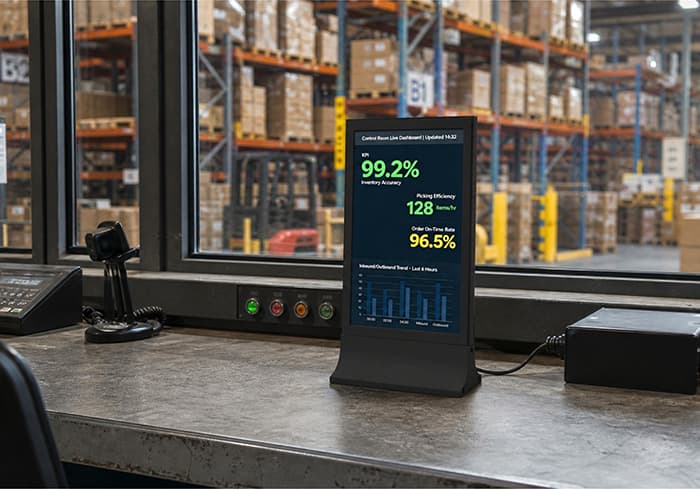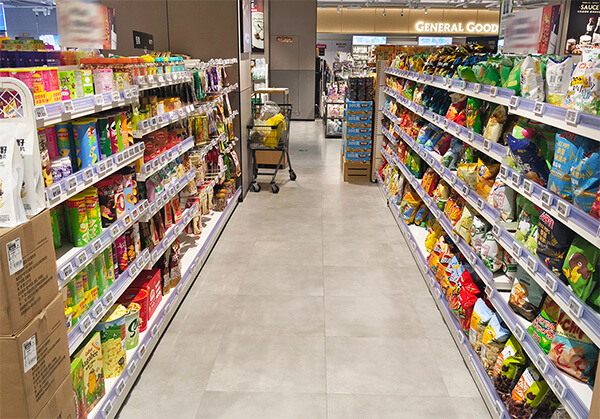
For decades, retailers have relied on a simple yet powerful insight: $9.99 sells better than $10.00. This is the essence of psychological pricing—a strategy so deeply embedded in consumer culture that most shoppers don't even notice it. But the retail shelf is undergoing a quiet revolution. The traditional paper price tag, a fixture of stores for generations, is being replaced by the e price tag—a digital display that can update prices in seconds rather than days.
This convergence of price psychology and digital shelf technology is creating unprecedented opportunities for retailers—and new challenges for consumer trust. This article explores the intersection of psychological pricing and the e price tag, examining what works, what worries consumers, and what the future holds for smart retail.
What Is Psychological Pricing?
Before we examine the digital transformation of retail pricing, let's establish a clear psychological pricing definition. Psychological pricing is a strategic approach that leverages cognitive biases and emotional responses to influence how consumers perceive and act on price information. It's not about deception—it's about understanding the psychological shortcuts our brains use when making purchasing decisions.
The most famous example is the left-digit bias, also known as charm pricing. When a consumer sees $9.99, their brain processes the leftmost digit first—the "9"—and anchors the perceived cost lower than $10.00, even though the difference is merely one cent. Research shows that 9-ending prices can lift unit sales by roughly 24% on average, with some catalog tests showing increases as high as 35%. This isn't a trick; it's a reflection of how human cognition naturally works.
Price psychology as a discipline encompasses far more than just 99-cent endings. It includes the study of how reference prices shape value perception, how scarcity cues trigger urgency, and how the framing of discounts influences willingness to pay. At its core, price psychology recognizes that consumers don't evaluate prices in a vacuum—they evaluate them relative to expectations, comparisons, and emotional states.
Core Psychological Pricing Strategies Retailers Use Today
Retailers employ a range of psychological pricing strategies to influence consumer behavior. Understanding these tactics is essential for evaluating how the e price tag might amplify—or complicate—their effectiveness.
Charm Pricing (.99/.95 Endings)
The most recognizable psychological pricing tactic, charm pricing exploits the left-digit bias. The effect is most powerful for low-involvement, impulse purchases where shoppers make quick decisions. However, its influence varies by category—tests show $0.99 pasta received 88% purchase intent compared to 83% for $1.00 and 67% for $0.95, but for bread, the pricing change barely shifted intent.
Prestige Pricing
At the opposite end of the spectrum, prestige pricing uses higher, round-number prices to signal superior quality. Luxury brands and premium product lines deliberately avoid charm pricing because the .99 ending can cheapen brand perception. The message is different: "This costs $100, not $99.99, because it's worth it."
BOGO and Bundle Pricing
"Buy one, get one free" creates perceived value through the framing of "free" items. Bundle pricing combines products at a perceived discount, leveraging the consumer's difficulty in accurately valuing individual components. Research suggests straightforward promotions like BOGO consistently outperform complex percentage-based offers.
Artificial Time Constraints and Scarcity
"Limited time offer" and "only X left" trigger loss aversion—the psychological principle that the pain of missing out is roughly 2 to 2.5 times more powerful than the pleasure of gaining. These cues create urgency and shorten the consumer's decision-making window.
Price Anchoring
Anchoring occurs when a reference price—often a manufacturer's suggested retail price (MSRP) or a "was" price—sets a mental benchmark. The current offer then appears as a bargain by comparison. The anchor doesn't need to be real; it just needs to be believable.
The Framing Effect and Price Psychology
Framing psychology explores how the presentation of information influences decision-making. Nobel laureates Daniel Kahneman and Amos Tversky demonstrated that people respond differently to the same information depending on how it's framed. In retail, this has profound implications.
Consider the classic example: "80% fat-free" versus "20% fat." Mathematically identical, yet psychologically worlds apart. The positive frame ("fat-free") generates more favorable responses than the negative frame ("fat"). This is framing effect marketing in its purest form.
An example of framing bias in retail pricing: For high-ticket items, a "$200 off" frame outperforms "20% off" because the absolute dollar amount feels more substantial. For low-ticket items, the reverse is true—"50% off" feels more significant than "save $5". The same discount, framed differently, produces different consumer responses.
Examples of framing in psychology extend beyond pricing to every aspect of the shopping experience. A "service fee" feels different from a "processing charge." A "convenience fee" feels different from a "surcharge." The words matter because the frame matters. What is the framing effect in simple terms? It's the finding that choices vary when the presentation of the choice changes—even when the underlying facts remain identical.
Advantages and Disadvantages of Psychological Pricing
Advantages
Psychological pricing can increase sales volume through perceived affordability, appeal to emotional and impulse buyers, create competitive differentiation, and fit prices within consumer budget constraints. When used strategically, it remains a useful marketing tool even when consumers are aware of the tactic.
Disadvantages of Psychological Pricing
The disadvantages of psychological pricing are significant and growing. First, it can damage brand reputation if consumers perceive the tactic as manipulative. Second, it may decrease perceived quality—consumers may equate lower prices with inferior products. Third, it's not always effective with price-savvy consumers who carefully compare prices. Fourth, it can erode consumer trust if overused or applied inconsistently. Finally, there's the risk of value-signaling failure in premium contexts where .99 endings cheapen the brand.
Research suggests that for a growing number of US consumers, traditional psychological pricing cues like $1.99 are no longer persuasive on their own. Many shoppers describe round prices as more "honest" and "easier to understand"—a sentiment that matters in an environment where pricing can change week to week.
The E Price Tag: What It Is and Why It Matters
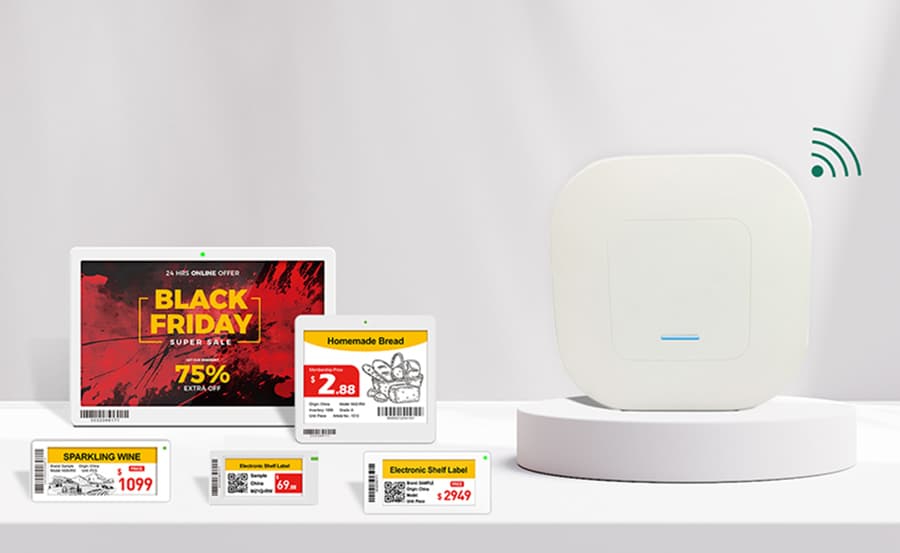
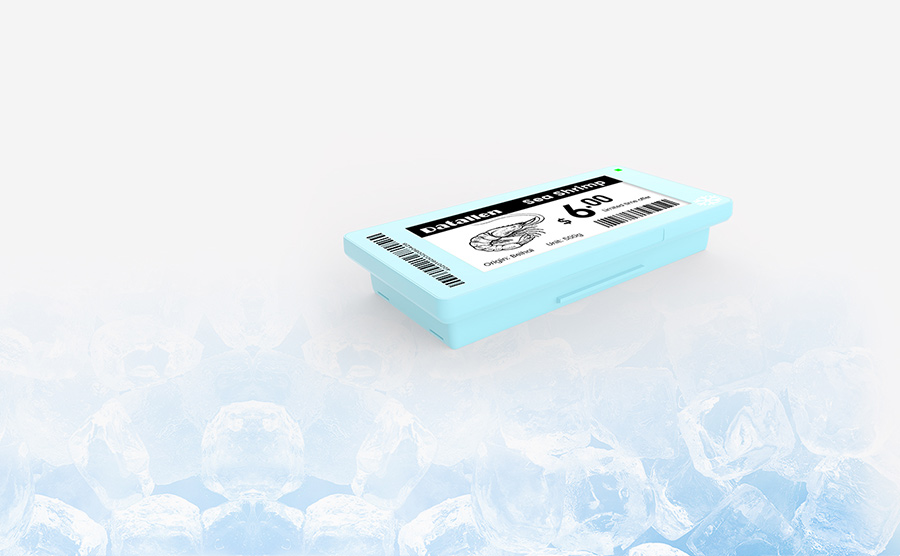
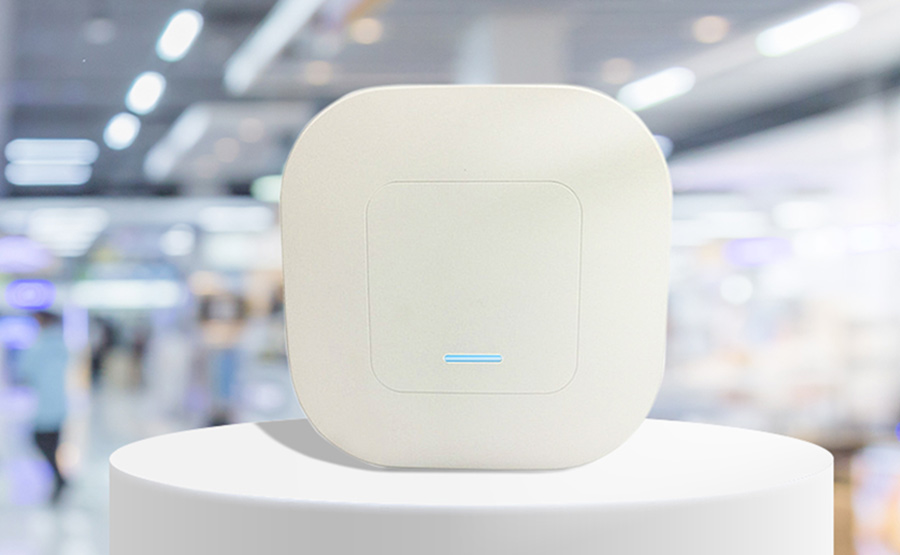
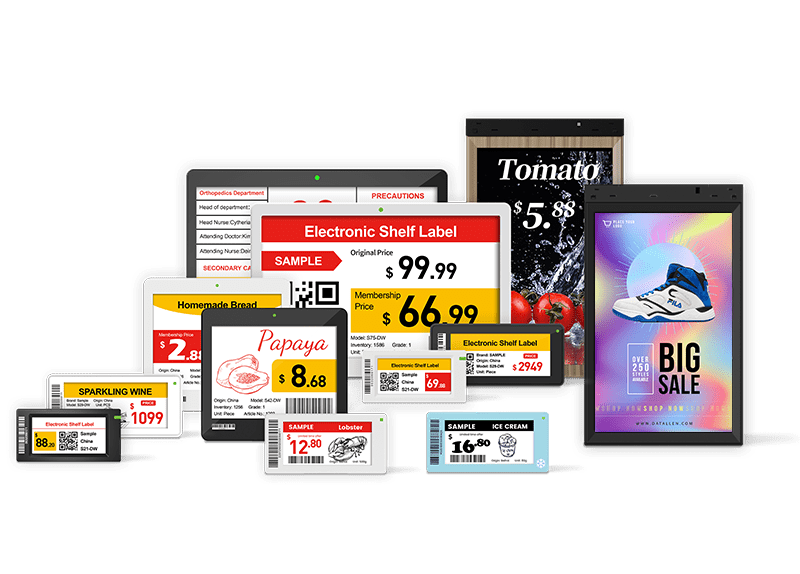
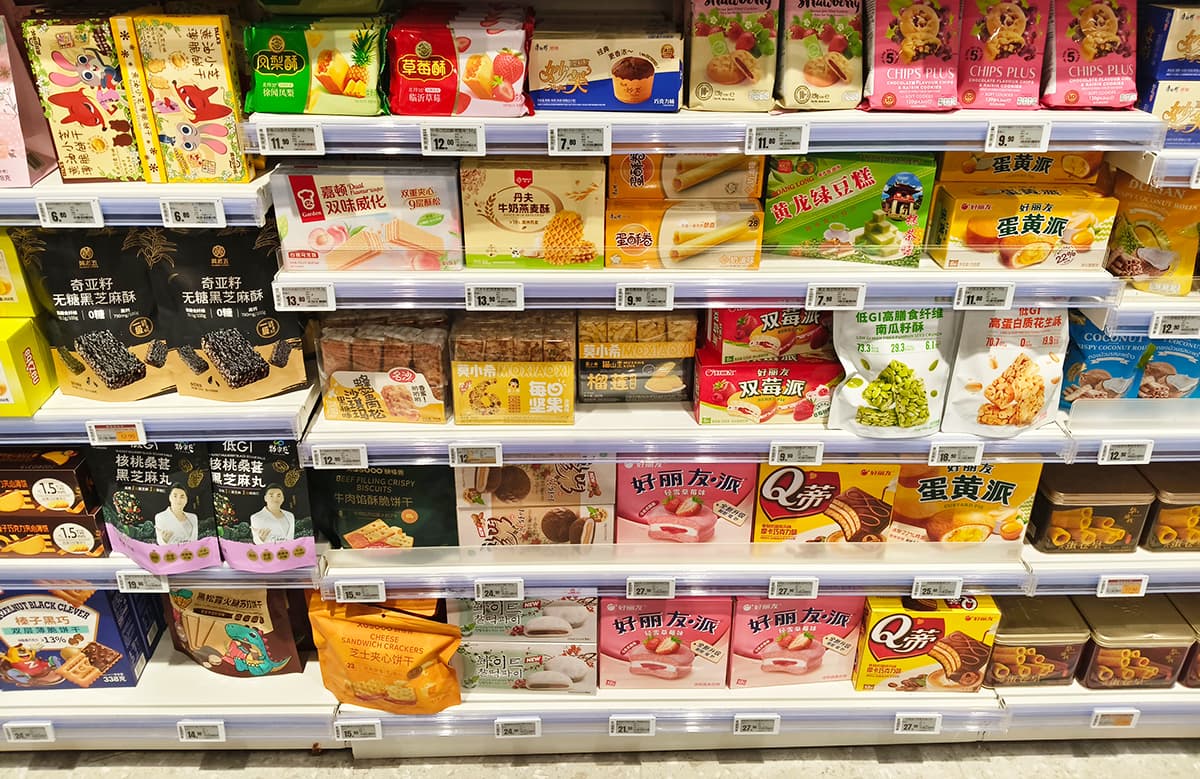
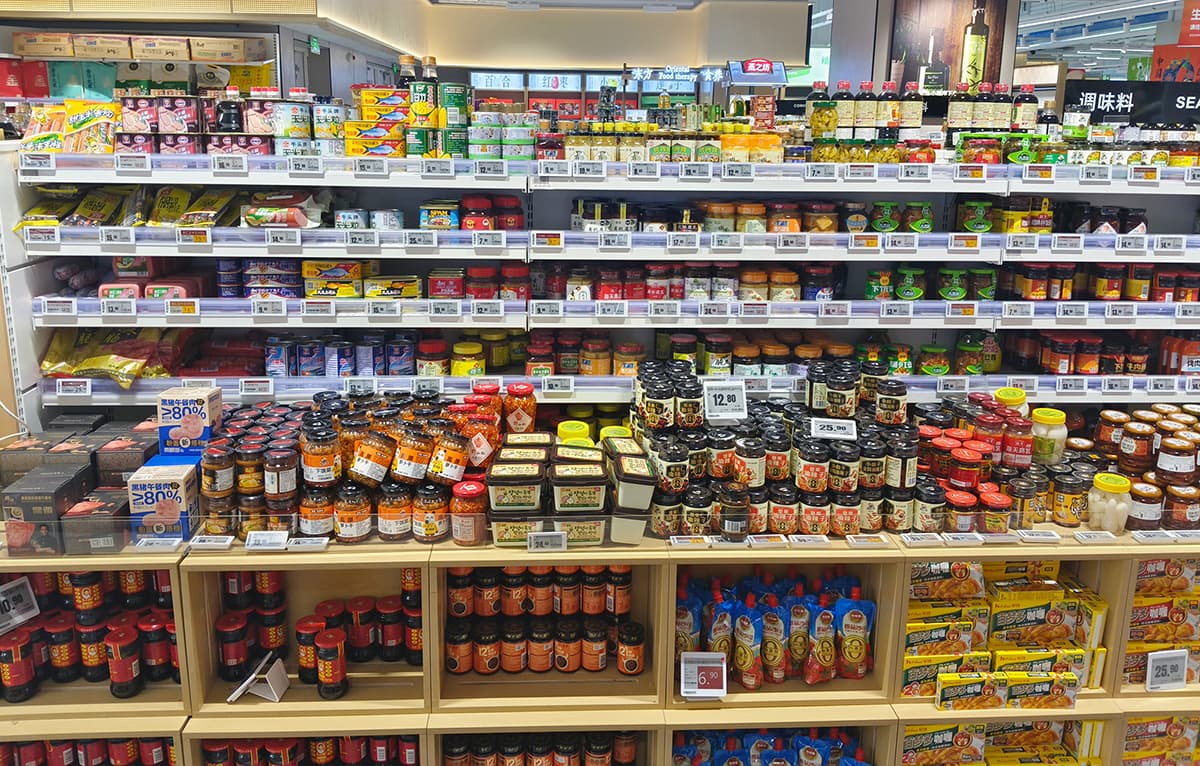
An e price tag—also known as an electronic shelf label (ESL)—is a digital display device that replaces traditional paper price tags on retail shelves. Most ESLs use e-ink technology, similar to e-readers, which provides excellent readability while consuming minimal power.
The system works through a central pricing engine that communicates wirelessly with each smart label, enabling near-instantaneous price updates across thousands of products and stores. A price change that once took days to implement across a store can now be completed in minutes.
The operational benefits are substantial. Walmart estimates that digital shelf labels cut pricing-duty time by 75%, freeing staff to focus on customer service. The technology also ensures that the price displayed on the shelf always matches the price at the register, eliminating the human errors that come with manual paper tag changes. Smart label solutions are becoming the new retail infrastructure—transforming the shelf edge from a passive display into a connected, data-driven touchpoint.
Real-world adoption is accelerating rapidly. Walmart currently has approximately 2,300 stores equipped with ESLs and plans to deploy the technology across all 5,200 U.S. stores. Kroger has quietly rolled out ESLs in stores across multiple regions, with plans for broader expansion. Stop & Shop, Giant, Whole Foods Market, and Aldi are among other major retailers that have adopted or are piloting the technology.
How the E Price Tag Supercharges Psychological Pricing
The e price tag doesn't just make pricing more efficient—it fundamentally transforms what's possible with psychological pricing. Here's how:
Real-time psychological pricing execution: With digital tags, retailers can implement price changes across entire store networks in minutes, not days. This enables testing and optimization of psychological pricing strategies at a scale previously impossible.
Dynamic framing at the shelf: The same ESL can switch between percentage and dollar displays based on the price point with a single click. For a $500 TV, "$100 off" outperforms "20% off." For a $10 item, "50% off" outperforms "save $5." Digital tags make this level of framing optimization operationally feasible.
Scarcity and urgency messaging: ESLs can automatically display "Only X left" when inventory drops below thresholds, triggering the loss aversion response. Some systems can also flash lights to guide delivery drivers to items, demonstrating how the technology serves both operational and psychological functions.
Promotional agility: Retailers can launch and end flash sales without labor-intensive tag replacement. This allows for more frequent, targeted promotions that leverage the scarcity principle.
Price consistency across channels: By aligning online and offline pricing, ESLs build trust and prevent showrooming—the practice of consumers checking prices in-store but buying online.
However, retailers must tread carefully. One Walmart team leader noted that consumers "think prices are being raised, but what they are really doing is eliminating processes". The perception gap between operational efficiency and consumer fear is significant.
The Elephant in the Aisle: Consumer Fears and Retailer Realities
Perhaps the biggest challenge to adopting the e-price tag is consumer fear. Social media is filled with warnings that grocers will use digital tags to charge more for ice cream when it's hot outside or hike umbrella prices when it's raining. These fears, while understandable, don't align with the data.
A comprehensive study by researchers from the University of Texas, the University of California, and Northwestern University examined hundreds of millions of product transactions at a major grocery retailer over five years. They found "virtually no surge pricing" before or after electronic shelf labels were adopted. Temporary price increases affected only 0.005% of products on any given day—a share that increased by just 0.0006 percentage points after digital labels were installed. An updated study analyzing nearly 460 million grocery transactions across more than 100 stores reached the same conclusion: no evidence of surge pricing before or after ESL adoption.
The CivicScience data tells a similar story: roughly three-in-10 shoppers believe digital pricing could create a negative shopping experience, while half are ambivalent. One in five U.S. adults now say digital price tags would have a positive impact—up from 15% in 2024—but 38% still expect a negative impact.
Retailers have responded forcefully. Walmart has stated that prices "will remain consistent in any given location regardless of demand, time of day, or who is shopping". Kroger says its tags are only updated to reflect prices on the company's website or to align with weekly promotions. Walmart also emphasizes that every price adjustment requires human approval, preventing automated algorithmic changes.
The fundamental tension is this: the e-price tag enables more sophisticated psychological pricing, but consumer trust remains the foundation of long-term retail success. Trust is fragile—shoppers track grocery prices week after week, and every penny matters. Retailers who leverage digital tags for genuine efficiency and accuracy rather than exploitation will earn that trust; those who don't may find consumers voting with their feet.
Beyond the Price Tag: What Smart Labels Actually Do in the Real World
The debate over digital shelf labels often focuses exclusively on pricing—the fear of surge pricing, the promise of psychological pricing optimization. But this misses what smart label solutions actually do in practice, day in and day out.
Operational efficiency that actually matters: One Walmart electronics team leader in Ohio told CNBC that digital shelf labels cut her pricing-duty time by 75%. Across the chain, this translates into millions of labor hours and billions of dollars in annual savings. This isn't about enabling price manipulation; it's about freeing employees to do what they were hired to do: help customers.
Picking and fulfillment: Walmart's Spark delivery drivers looking for an item see a flashing ESL to help them locate products more quickly. In the age of rapid e-commerce fulfillment, this efficiency gain is tangible and valuable.
Price accuracy and error reduction: ESLs virtually eliminate the human errors that come with manual paper tag changes—misprints, missed updates, and mismatched shelf and register prices. They ensure that what customers see on the shelf is what they pay at checkout, which is critical for trust.
Sustainability: Traditional paper tags require constant printing, distribution, and disposal. Digital tags eliminate this waste. One UK retailer estimated savings of over £100,000 annually on paper, toner, and printing alone.
The shelf as a digital touchpoint: Beyond pricing, ESLs can display product information, nutritional data, allergen warnings, and promotional content. The shelf edge becomes a media channel—a development that has significant implications for both retailers and brands.
The bottom line: ESLs are first and foremost an operational tool. The psychological pricing applications are powerful, but they're built on a foundation of efficiency, accuracy, and labor savings—not a conspiracy to raise prices. As one retail consultant put it, "When a retailer installs technology that allows prices to change in minutes, shoppers will, of course, wonder how it might be used. But in grocery stores, trust is fragile because shoppers track prices week after week".
FAQ: What Shoppers Actually Want to Know About Digital Price Tags and Psychological Pricing
Will digital price tags lead to surge pricing at my grocery store?
The evidence says no. A study of nearly 460 million grocery transactions across more than 100 stores found no evidence of surge pricing before or after ESL adoption. Temporary price increases affected only 0.005% of products before ESLs—a figure that barely budged after installation. Major retailers like Walmart and Kroger have explicitly stated they have no plans to use surge pricing.
Can the store change the price on the shelf while I'm shopping?
Technically, yes—that's what the technology enables. But in practice, grocery pricing is set at the corporate level and executed on a set cadence, typically weekly. Promotions are planned. Changes are usually pushed overnight to avoid customer confusion. Walmart also notes that every price adjustment requires human approval.
Are digital price tags harder to read than paper ones?
Most ESLs use e-ink technology, which provides excellent readability in various lighting conditions.
Do electronic shelf labels collect my personal data?
ESLs themselves do not collect personal data—they display information; they don't gather it. However, concerns about "surveillance pricing" arise from the possibility that retailers could combine ESL data with loyalty program information or purchase history. Retailers have denied plans to use the technology this way, but legislation is being introduced in multiple states to explicitly prohibit such practices.
What happens if the digital tag shows the wrong price?
This is a legitimate concern—technical glitches have occurred. However, proponents argue that ESLs actually reduce pricing errors overall because they eliminate the manual process of changing paper tags. Most retailers have policies to honor the displayed price, and many states have laws requiring price accuracy. As one industry expert noted, ESLs ensure "what a customer sees on the shelf is what they pay at checkout".
Why are stores spending millions on digital tags if not for surge pricing?
Labor savings are the primary driver. Walmart estimates a 75% reduction in pricing-duty time. The technology also improves price accuracy, enables faster promotional updates, supports e-commerce fulfillment, and eliminates paper waste. These operational benefits translate into significant cost savings that ultimately benefit both retailers and consumers.
Does $9.99 psychological pricing still work in 2026?
Yes, but its influence is now category-dependent. Charm pricing remains effective for low-involvement, impulse purchases. However, research shows that many shoppers now describe round prices as more "honest" and "easier to understand". The effectiveness of psychological pricing depends on context, category, and consumer sophistication.
How can I protect myself if prices can change instantly?
Check the shelf price, review your receipt before leaving the store, and if you see a significant discrepancy, ask for a price check. Some consumers photograph expensive items before checkout as a precaution. More broadly, staying informed about which retailers use ESLs and understanding their pricing policies can help you shop with confidence.
Conclusion
Psychological pricing remains one of retail's most powerful tools—a recognition that consumers make decisions with their hearts as much as their heads. The e price tag transforms this strategy from a static, manual practice into a dynamic, real-time capability. Retailers who embrace smart label solutions gain not just operational efficiency but the ability to execute sophisticated price psychology at scale.
The future of retail pricing isn't about choosing between psychology and technology. It's about using technology to execute psychology better, faster, and with the transparency that earns customer loyalty. In an era of economic anxiety and heightened price sensitivity, that's not just good strategy—it's essential for survival.