Population aging is no longer a regional issue—it is a global structural trend. In China and many other countries, the rapid growth of the elderly population is placing unprecedented pressure on traditional nursing homes. Manual workflows, fragmented information, and paper-based management systems are increasingly unable to meet the demands of safety, efficiency, and personalized care. Against this backdrop, one nursing home in China recently completed a comprehensive digital transformation, aiming to build a truly smart nursing home through system-level upgrades.
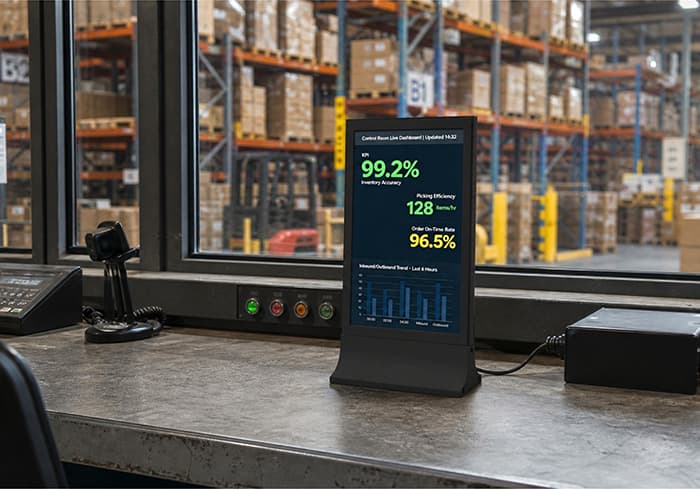
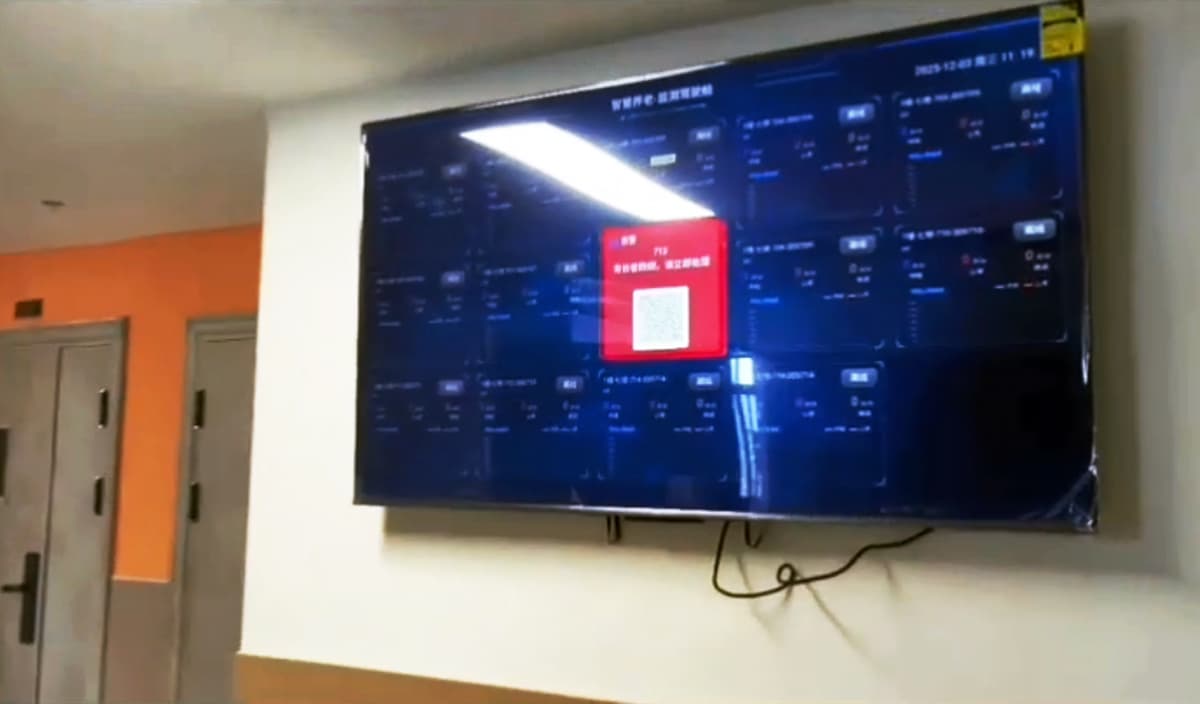
The project focused on several key areas of smart healthcare infrastructure. At the nurses’ station, large-format information display screens were deployed to centralize patient status, room allocation, care levels, and alert notifications. This real-time visibility significantly reduced response times and improved coordination among medical and caregiving staff.
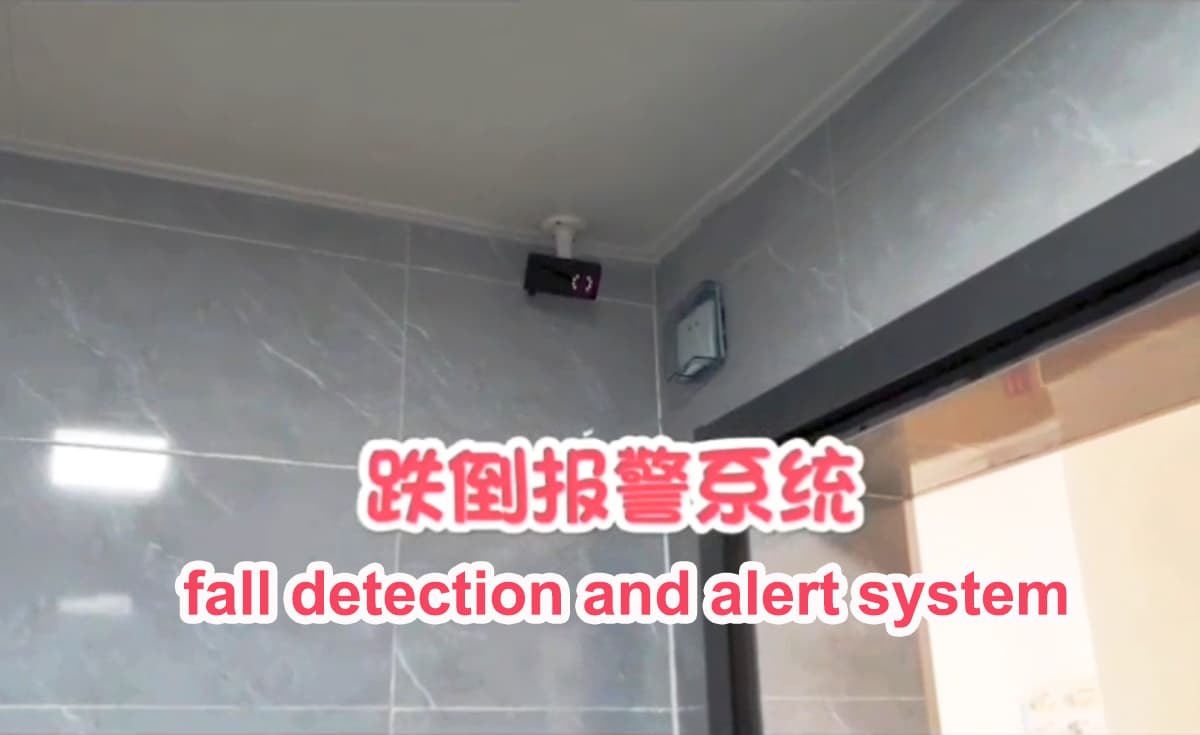
To address one of the most critical risks in elderly care, a fall detection and alarm system was introduced across resident rooms and key public areas. When abnormal movement or a fall is detected, alerts are immediately transmitted to caregivers, enabling faster intervention and reducing the risk of secondary injury.
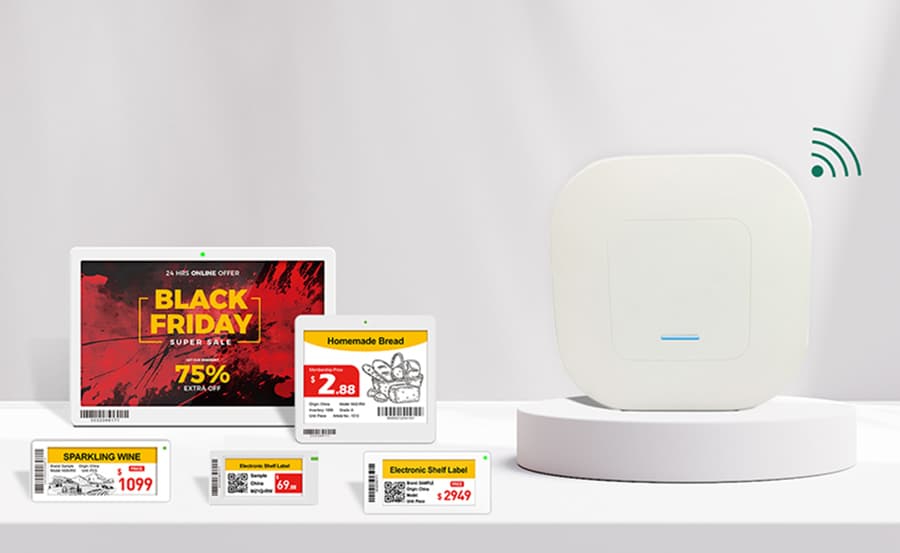
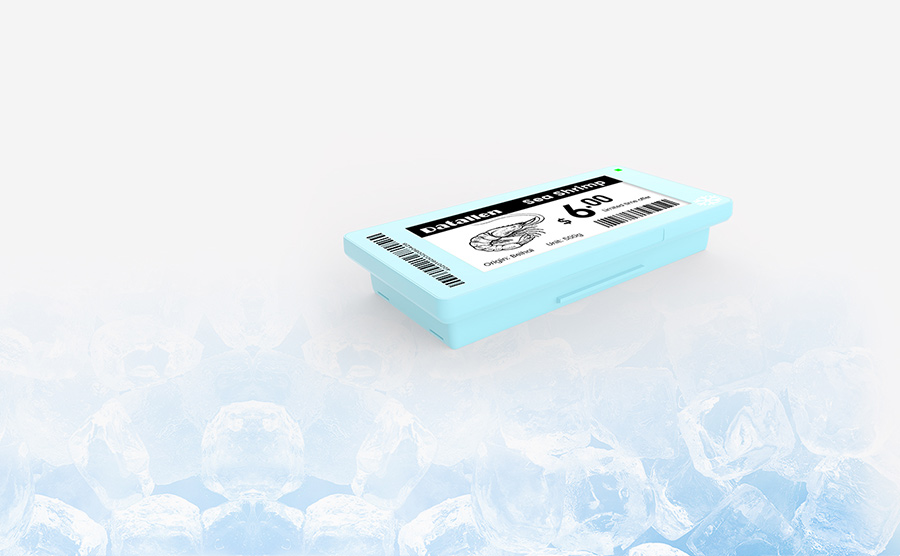
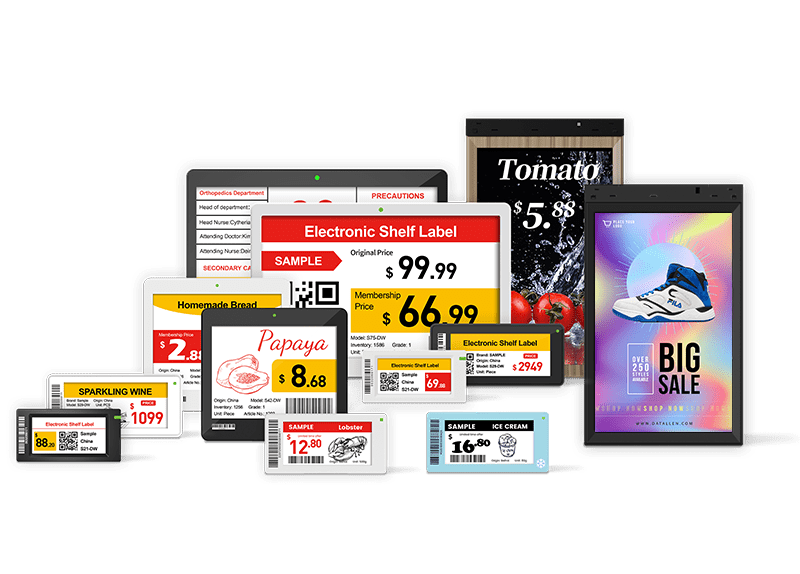
A key component of the transformation was the deployment of Electronic Shelf Labels (ESL) based on e-paper technology throughout resident rooms and corridors. These displays replaced traditional paper cards on room doors and bedside areas, presenting resident information, care reminders, dietary notes, and warning indicators. Integrated with the nursing home’s management system, ESL content can be updated remotely and instantly, ensuring information accuracy while eliminating repetitive manual replacements. Color-based indicators further support staff in quickly identifying care priorities.
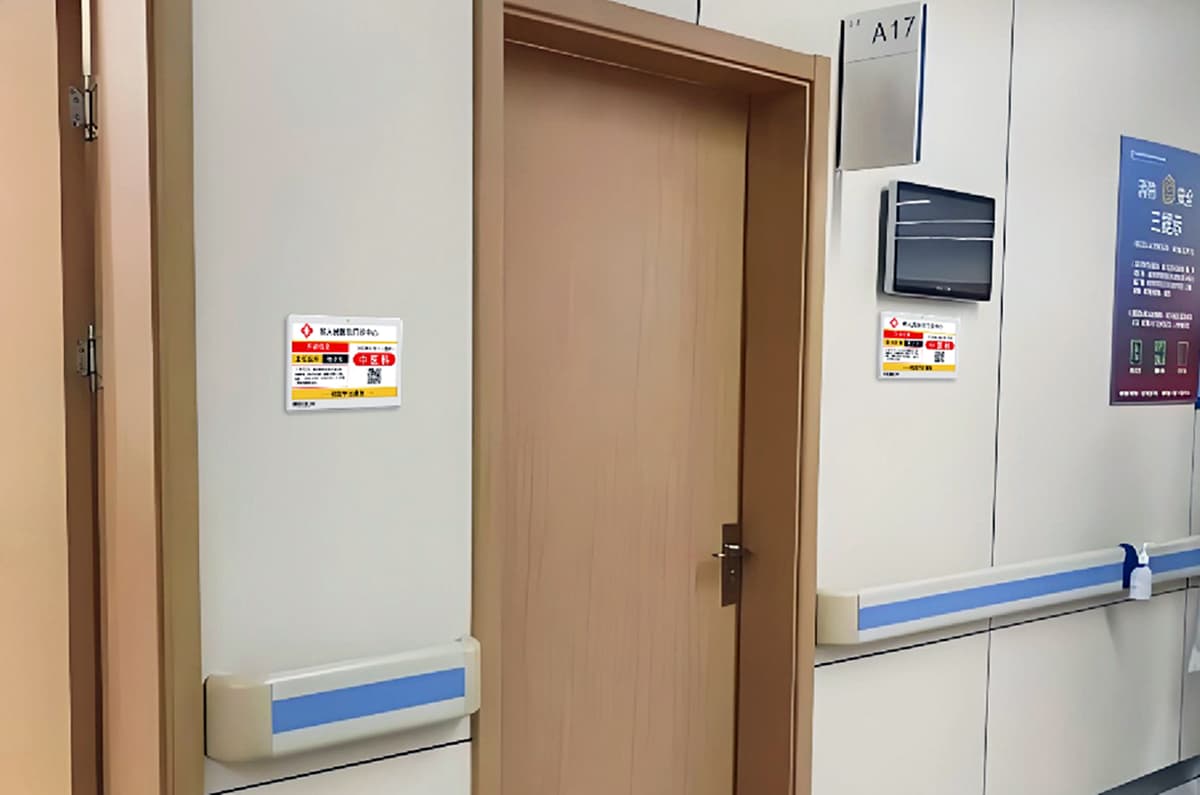
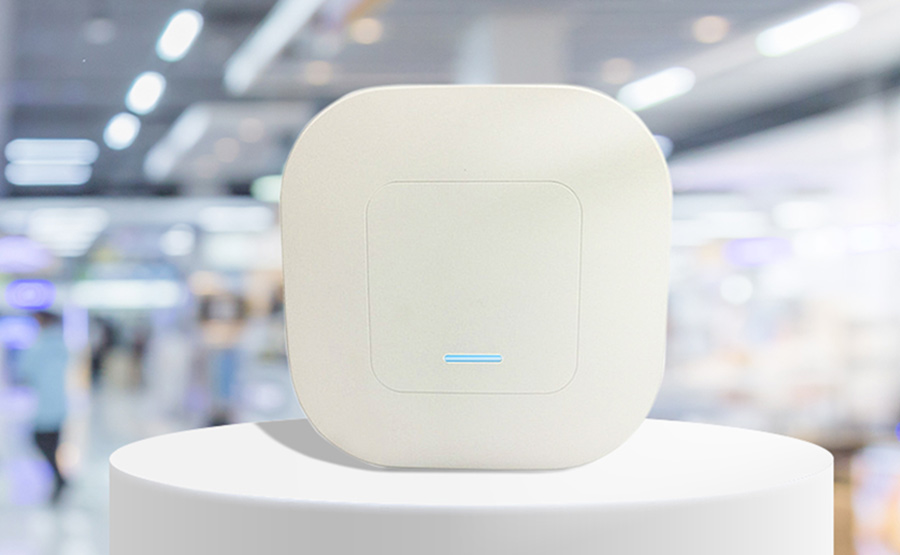
In public areas, network base stations were installed to ensure stable communication between devices, displays, and backend systems. This infrastructure foundation enables future scalability, supporting additional smart healthcare applications without major reconstruction.
This transformation demonstrates how digital tools—when thoughtfully integrated—can enhance safety, operational efficiency, and service quality in elderly care environments. By combining centralized information displays, real-time alerts, and Electronic Shelf Labels, the nursing home has taken a meaningful step toward sustainable, people-centered smart nursing care.
For more insights, check out:
1. Smart Health Solution Transforms Regional Hospital
3. The Importance of Digital Transformation in the Retail Industry
4. 25 Unique Retail Display Ideas for Shops of All Sizes
5. Unlocking Efficiency Through Retail Store Digitalization in 2026