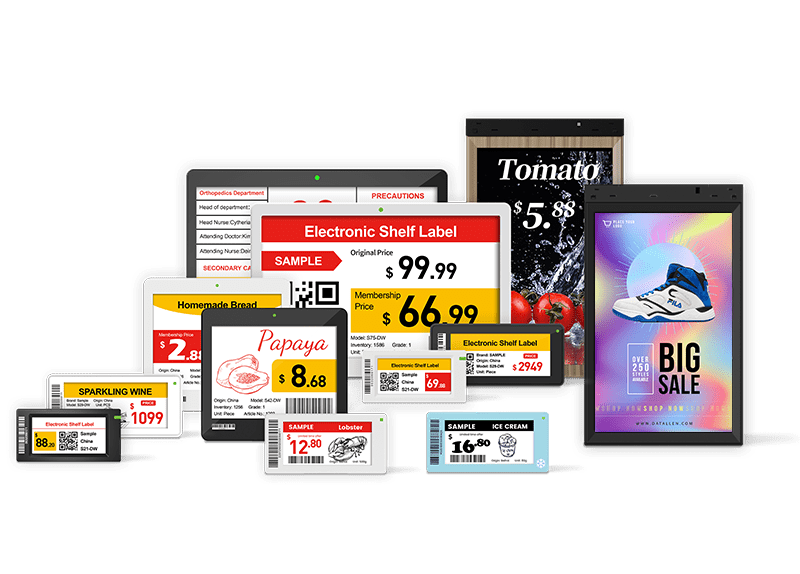
Why Wireless Price Tags Have Become a Retail Imperative
Pricing is no longer a static function in modern commerce. In today’s environment—defined by frequent promotions, volatile supply chains, rising labor costs, and increasingly informed consumers—price communication has become a real-time operational challenge. Traditional paper labels, once considered sufficient, are now a structural bottleneck that limits speed, accuracy, and scalability.
Wireless price tags have emerged as a foundational technology addressing these challenges. More than a digital replacement for paper labels, they represent a shift toward centralized, data-driven price management. By enabling instant, remote, and synchronized updates across individual stores or entire retail networks, wireless price tags transform pricing from a manual task into an automated infrastructure.
This article provides a comprehensive, experience-based analysis of wireless price tags—how they work, where they deliver the most value, and what organizations should consider before deployment—grounded in real-world operational needs rather than marketing claims.
What Are Wireless Price Tags
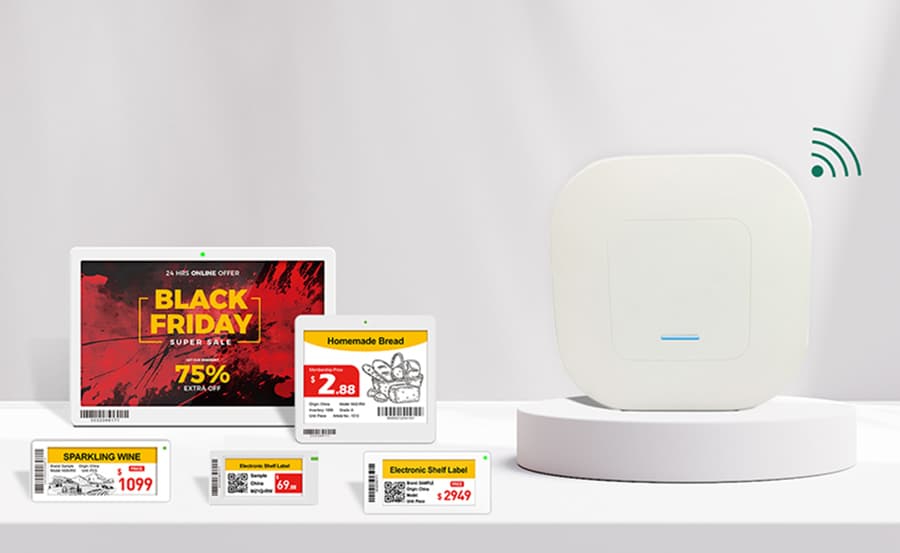
Wireless price tags are electronic display labels used to present pricing and product information at the point of sale. Unlike traditional paper labels, these tags are connected via a secure wireless network to a centralized management system, allowing information to be updated remotely and instantly.
In practical terms, a wireless price tag system consists of three core components:
1. Electronic display tags, most commonly using an electronic paper display
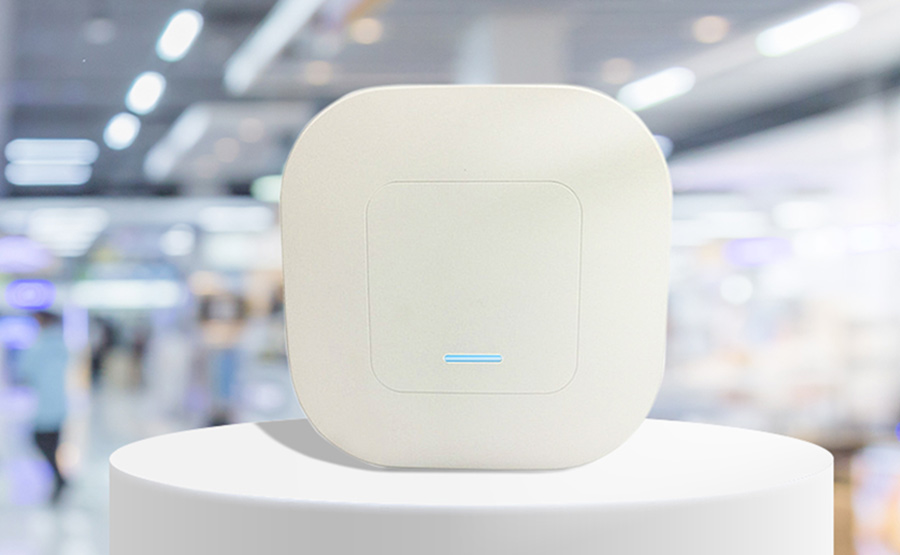
2. A wireless communication network connecting tags to gateways or access points
3. A central management platform integrated with POS, ERP, or inventory systems
While the terms wireless price tags and electronic shelf labels are often used interchangeably, the defining characteristic is the wireless, centralized control that eliminates manual intervention at the shelf level.

The Hidden Cost of Paper Labels
Research and industry reports consistently show that the labor required to print, distribute, verify, and replace paper price labels is one of the highest controllable operational costs in retail environments.
A typical price change process using paper labels involves multiple steps:
1. Printing new labels
2. Sorting and distributing them to store staff
3. Manually locating each product
4. Replacing labels and verifying accuracy
5. Correcting errors and handling customer disputes
This process is repeated not only for promotions, but also for routine price adjustments, supplier changes, and compliance updates.
Wireless price tags fundamentally eliminate this cost center. With centralized control, a price update requires only a single action at the system level. Prices can be changed instantly across one store, a region, or an entire chain—without printing, walking aisles, or rechecking shelves.
Paper Labels vs. Wireless Price Tags: Labor Impact Comparison
| Aspect | Paper Labels | Wireless Price Tags |
| Price update method | Manual replacement | Centralized digital update |
| Staff time required | High, recurring | Minimal |
| Error rate | High (human error) | Extremely low |
| Update frequency | Limited | Unlimited |
| Scalability | Poor | Excellent |
For multi-store operations, the labor savings alone often justify the investment long before considering additional benefits such as accuracy or sustainability.
How Wireless Price Tags Work
Understanding the underlying technology is essential for selecting the right wireless price tag system and setting realistic expectations.
Electronic Paper Display: The Core of Modern Systems
At the heart of most wireless price tags is the electronic paper display (EPD), commonly referred to as E Ink. This display technology is particularly well-suited for retail environments due to its unique characteristics.
EPD technology is bi-stable, meaning it only consumes power during a screen refresh. Once content is displayed, it remains visible without any ongoing energy consumption. As a result, wireless price tags typically achieve battery lifespans of 5–7 years, and in optimized conditions, up to 10 years.
Additional advantages include:
High contrast and paper-like readability
No backlight, eliminating glare under strong store lighting
Wide viewing angles
Stable visibility in bright or cold environments
Wireless Communication Protocols Explained
The “wireless” aspect of wireless price tags refers to the secure communication layer connecting each tag to the central system. Several protocols are commonly used, each with distinct characteristics.
| Protocol | Characteristics | Typical Use Cases |
| RF 2.4 GHz | Low power, mesh networking, strong stability | Large stores, dense shelving |
| Bluetooth Low Energy (BLE) | Highly scalable, supports micro-location | Smart retail, customer interaction |
| Wi-Fi | High bandwidth, infrastructure-dependent | Smaller deployments |
| NFC | Very short range, manual interaction | Binding, maintenance, and audits |
Well-designed systems rely on robust network architecture rather than raw bandwidth. In practice, reliability and consistency of coverage matter far more than data speed, since price updates involve tiny data packets.
Sustainability and ESG: An Often-Overlooked Advantage
Sustainability has become a strategic consideration rather than a branding exercise. Paper price labels generate ongoing waste—not only paper, but also ink cartridges, plastic holders, and transport emissions associated with frequent reprinting.
Wireless price tags significantly reduce this environmental footprint by:
Eliminating recurring paper and ink consumption
Reducing logistics-related emissions
Minimizing plastic waste from label holders
For organizations with defined ESG goals, wireless price tags contribute measurable improvements across environmental metrics. This increasingly influences purchasing decisions for both consumers and institutional investors, making sustainability benefits a tangible business asset rather than an abstract value.
Industry-Specific Applications of Wireless Price Tags
Wireless price tags are not a one-size-fits-all solution. Their real value emerges when applied to industry-specific challenges.
Retail and Supermarkets
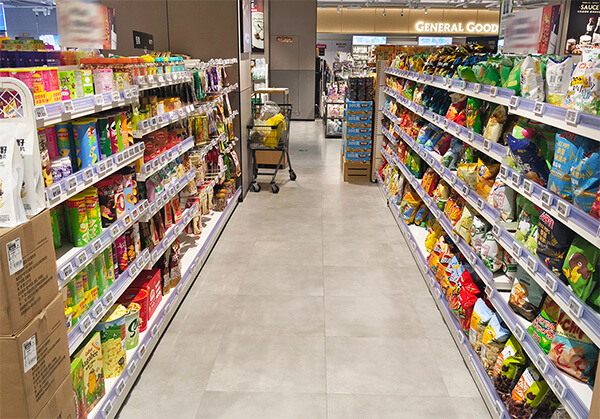
Retail remains the most common application. Wireless price tags enable:
Scheduled promotions that activate automatically
Immediate competitor price matching
Expanded product information display
In fashion retail, tags can show size availability, color options, or care instructions, enhancing both efficiency and customer experience.

Grocery and Fresh Food Stores
Fresh food environments impose unique demands. Wireless price tags designed for low temperatures—down to -20°C—operate reliably in refrigerated and frozen areas where paper labels degrade quickly.
Common applications include:
Displaying expiration dates and freshness indicators
Automatic price reductions for near-expiry items
Real-time stock synchronization to prevent customer frustration
For example, bakeries can adjust prices throughout the day, reducing waste without manual intervention.

Pharmacies and Healthcare
Accuracy is critical in healthcare settings. Wireless price tags support:
Clear display of medication prices and dosage information
Expiration date visibility
Audit-friendly change logs for compliance
In hospitals, similar technology can function as room signage or supply location indicators, improving operational efficiency and patient safety.
Logistics and Warehousing
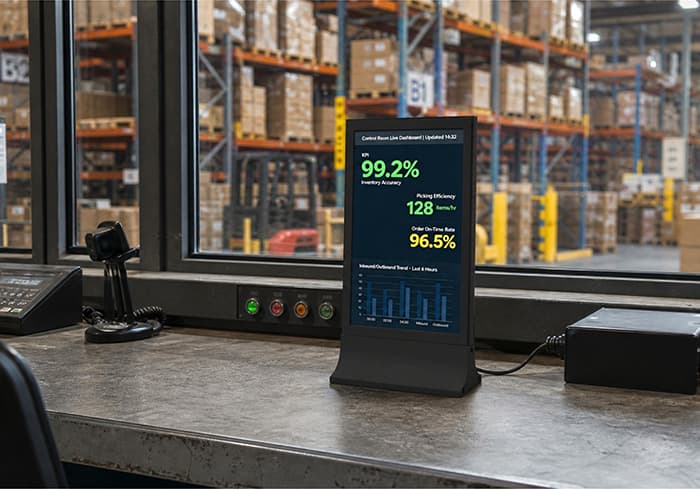
In warehouses, wireless price tags often serve as smart location labels rather than price displays. Attached to shelves, bins, or pallets, they provide real-time information on stock levels, item movement, and location.
Benefits include:
Faster picking and receiving
Reduced inventory discrepancies
Integration with barcode and QR systems
Long-range RF variants are particularly effective in large facilities with high ceilings and wide layouts.
Office and Corporate Environments
Beyond retail, wireless price tags are increasingly used as:
Digital meeting room signs
Asset tracking labels for equipment
Status indicators for shared resources
These applications eliminate paper signage while improving accuracy and visibility.
Key Implementation Considerations Before Deployment
Before adopting wireless price tags, organizations should evaluate several critical factors:
Scalability: Can the system grow with store expansion?
Total Cost of Ownership: Hardware, batteries, software, and maintenance
Environmental durability: Resistance to dust, moisture, and impact
Security: Encrypted communication and access control
Deployment Readiness Checklist
Integration with existing POS/ERP systems
Store layout and shelving compatibility
Staff training requirements
Long-term support strategy
Datallen in the Wireless Price Tag Ecosystem
Real-World Deployment Experience
Datallen wireless price tags have been deployed across a range of retail and commercial environments, including multi-store operations and high-traffic locations. Real-world implementations demonstrate the value of centralized price management, especially for businesses operating across large geographic areas.
In regional retail deployments, centralized updates allow pricing strategies to be adjusted remotely while maintaining consistency at the shelf level—significantly reducing operational friction.
Technical Strengths and Design Philosophy
Datallen’s approach emphasizes durability and customization. The tags are engineered for demanding retail conditions, featuring:
Dust- and water-resistant enclosures
Resistance to physical impact in high-traffic areas
Reliable operation in cold storage environments
Customization is another defining strength. Businesses can tailor:
Screen sizes and layouts
Brand colors and logos
Information hierarchy and display formats
This flexibility allows wireless price tags to align with brand identity while improving store aesthetics and functionality. Combined with real-time updates, inventory synchronization, and system stability, these characteristics deliver measurable operational value and strong return on investment.
Frequently Asked Questions About Wireless Price Tags
Q: Are they fragile? Can they handle a busy store environment?
A: Commercial-grade wireless price tags are designed for high-traffic areas, with reinforced housings and protective screens that withstand frequent contact.
Q: Can I display more than just price and name?
A: Yes. Tags can display barcodes, QR codes, promotions, expiration dates, and product attributes depending on size and configuration.
Q: Is the displayed information secure from hacking or tampering?
A: Modern systems use encrypted communication and controlled access, significantly reducing security risks.
Q: We have unique shelving or layouts. Can the tags fit?
A: Most systems support multiple mounting options and customized form factors to accommodate different environments.
Q: Can wireless price tags be updated remotely?
A: Yes. Remote, centralized updates are a core function of wireless price tag systems.
Q: Do wireless price tags require special installation or training?
A: Installation is typically straightforward, and most staff require minimal training to operate the system effectively.
Wireless Price Tags as Long-Term Infrastructure
Wireless price tags should not be viewed as a cosmetic upgrade. They are a long-term operational infrastructure that reshapes how pricing, inventory, labor, and sustainability intersect.
By reducing manual labor, improving accuracy, supporting ESG goals, and enabling scalable growth, wireless price tags deliver value far beyond their initial function. For organizations seeking efficiency, resilience, and adaptability, they represent a practical and future-ready foundation rather than a temporary trend.
For more insights, check out:
1. 25 Unique Retail Display Ideas for Shops of All Sizes
2. Retail Store Layout Design Ideas to Maximize Traffic Flow
3. Innovative Car Dealership Display Ideas: How Digital Shelf Labels Are Changing the Game
4. Green Retailing in Action: From Cashierless Stores to ESL Displays
5. How to Create Effective Retail Store Advertising?