Why Are Hotels Rapidly Adopting Smart Hotel Solutions Today?
The global hospitality industry is undergoing a fundamental transformation. Rising labor costs, increasing guest expectations, and the demand for real-time information have pushed hotels to rethink traditional operations. Static signage, manual updates, and fragmented communication systems are no longer sufficient in a fast-paced, experience-driven market.
This is where smart hotel solutions are redefining operational standards. By integrating digital signage for hotels with data-driven management systems, hotels can move from reactive operations to proactive, scalable, and efficient service models.
More importantly, digital infrastructure is no longer just a “nice-to-have.” It has become a core driver of profitability, influencing everything from guest satisfaction to revenue generation.
What Are Electronic Shelf Labels and Digital Signage for Hotels?
Understanding Electronic Shelf Labels in Hospitality
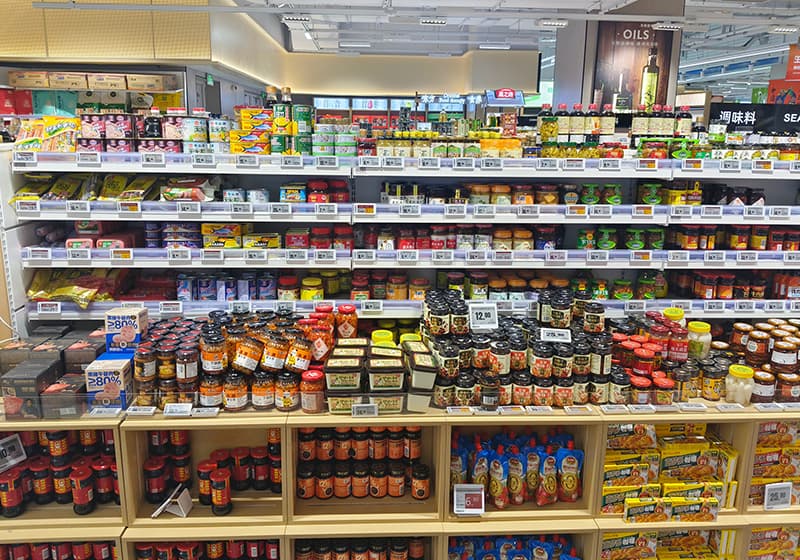
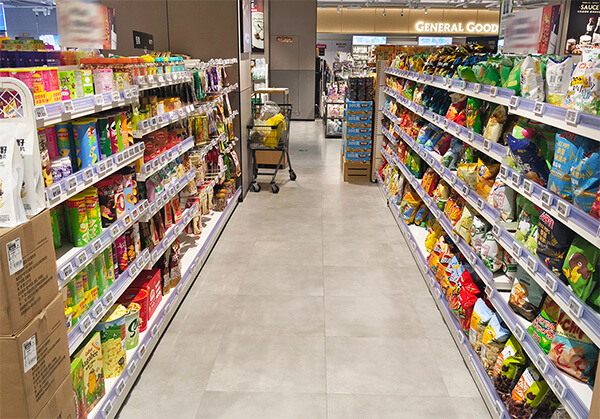
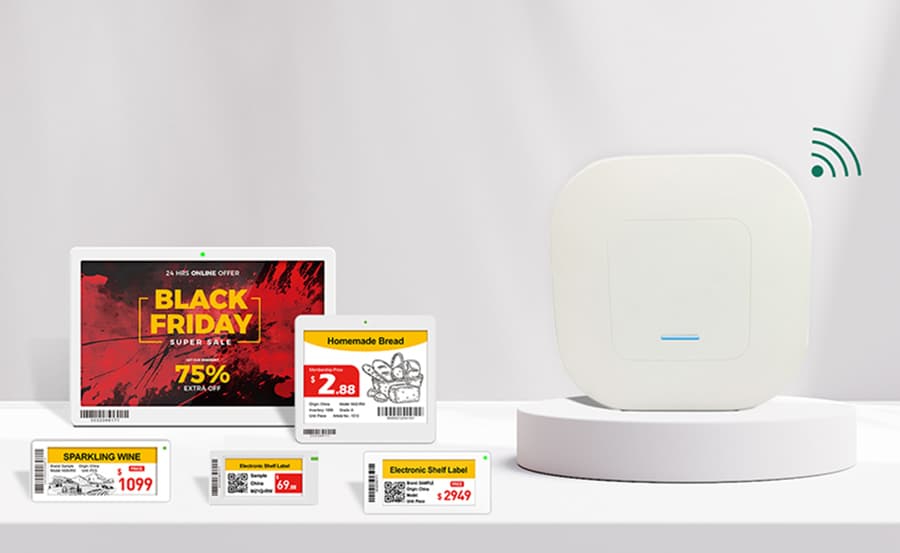
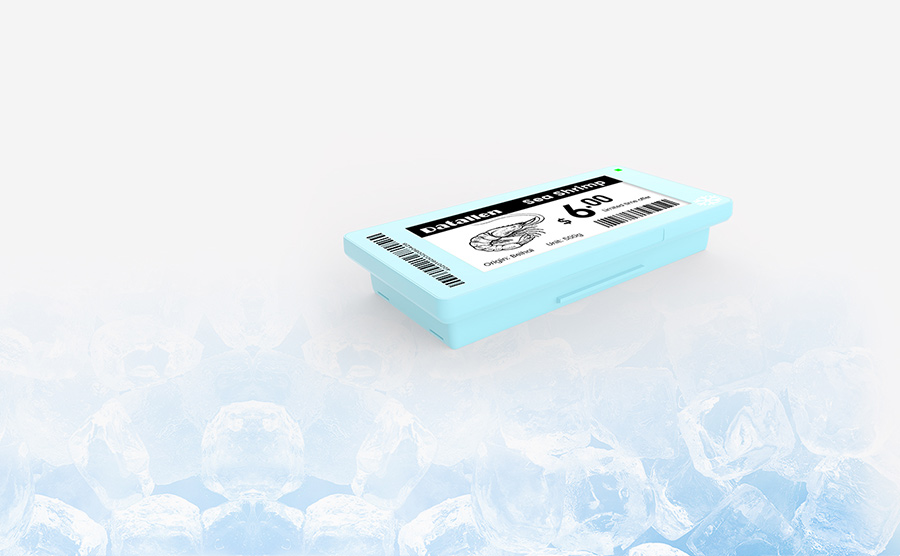
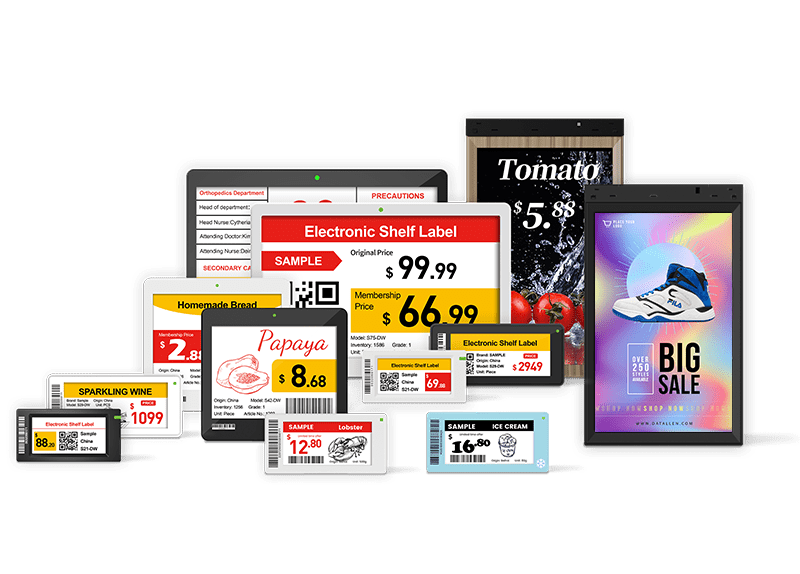
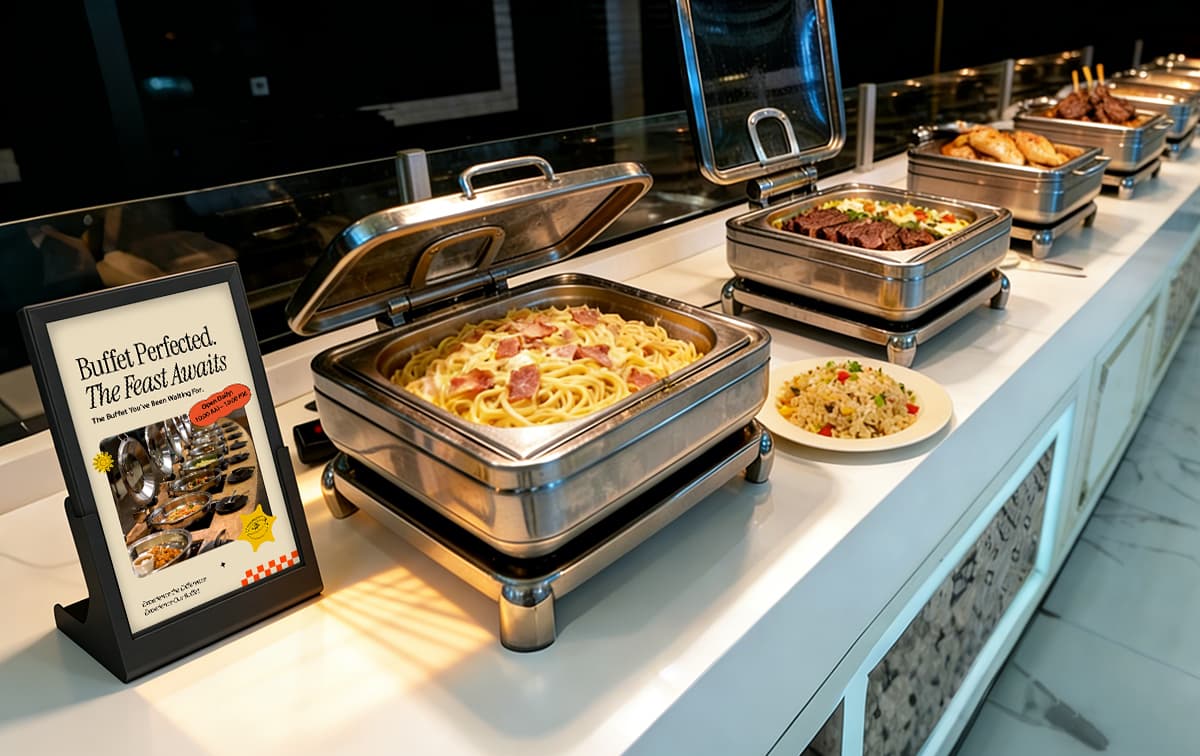
Electronic Shelf Labels (ESL), originally popularized in retail, are now being adopted in hotel environments—especially in restaurants, buffets, minibar pricing, and retail corners within hotels. These digital labels replace traditional paper tags and allow real-time updates of pricing and product information.
Unlike manual labeling, ESL systems ensure instant synchronization across locations, reduce pricing errors, and significantly lower operational workload.
What Is Digital Signage for Hotels and How Does It Work?
Digital signage for hotels refers to centrally managed display systems that deliver dynamic content across various hotel touchpoints. These systems typically include display screens, a content management system (CMS), and network connectivity for real-time updates.
From hotel lobby digital signage to elevator displays and restaurant menu boards, these systems allow hotels to communicate consistently and effectively with guests.
Why ESL and Digital Signage Are Converging in Smart Hotels
In a smart hotel environment, ESL and digital signage are no longer separate tools. They are part of a unified ecosystem that enables centralized content control, real-time information delivery, and scalable multi-location management.
This convergence transforms simple displays into an intelligent communication infrastructure that supports both operational efficiency and revenue growth.
How Does Digital Signage for Hotels Increase Revenue?
How Can Hotel Digital Advertising Boost Ancillary Revenue?
One of the most immediate benefits of digital signage for hotels is its ability to generate additional revenue through targeted promotions.
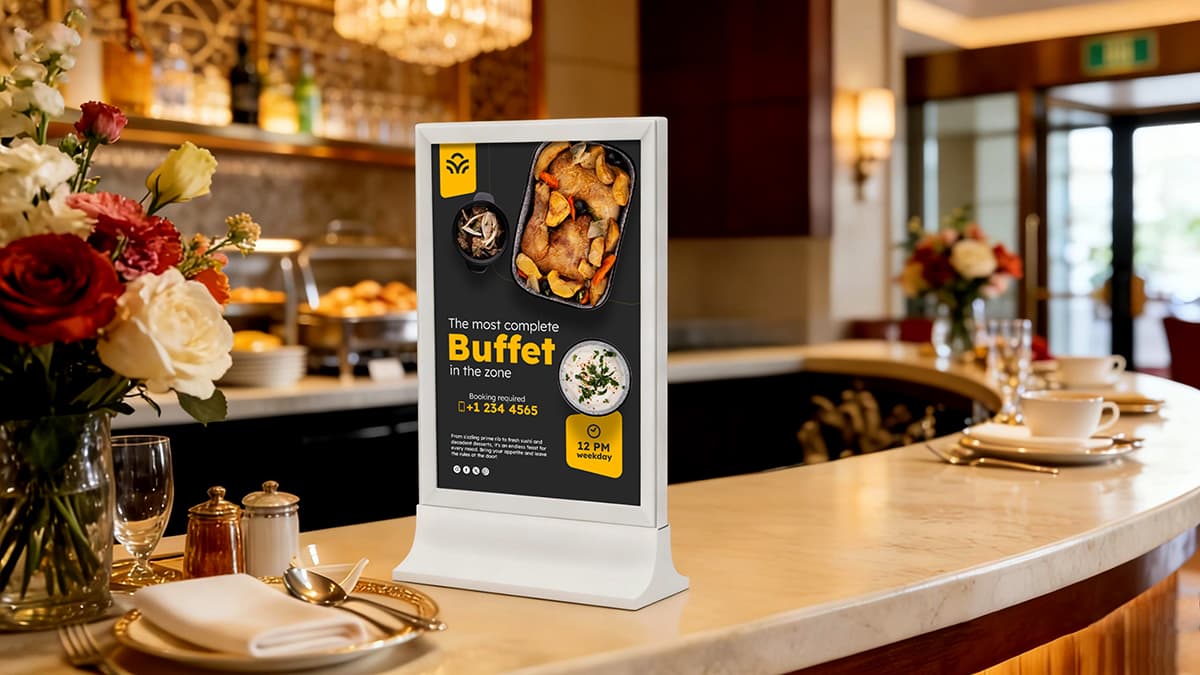
Hotels can promote restaurants, spa services, and special events through visually engaging displays. This form of hotel digital advertising turns passive spaces into active sales channels, increasing guest engagement and conversion rates.
How Can Hotels Turn Waiting Time into Profit Opportunities?
Waiting areas such as lobbies and elevator zones are high-traffic spaces with strong attention potential. With hotel lobby digital signage, hotels can transform idle time into valuable engagement moments.
Guests can discover promotions, local experiences, or premium services while waiting, effectively converting attention into revenue opportunities.
Can Hotels Generate New Income Through Third-Party Advertising?
Hotels can also partner with local businesses to display third-party advertisements. Restaurants, travel agencies, and retail brands can promote their services through hotel screens.
This creates an additional revenue stream while enhancing the overall guest experience with relevant local recommendations.
How Do Smart Hotel Solutions Improve Operational Efficiency?
How Does Digital Signage Reduce Manual Work and Printing Costs?
Traditional signage requires frequent printing and manual updates, which increases operational costs and introduces the risk of outdated information.
With smart hotel solutions, content can be updated remotely and instantly. This eliminates printing costs, reduces labor dependency, and ensures consistent messaging across all hotel areas.
What Is Centralized Content Management in Hotels and Why Does It Matter?
Centralized content management allows hotels to control all digital displays from a single platform. This is particularly valuable for hotel chains managing multiple properties.
Updates can be deployed in real time, ensuring brand consistency and accurate information delivery across all locations.
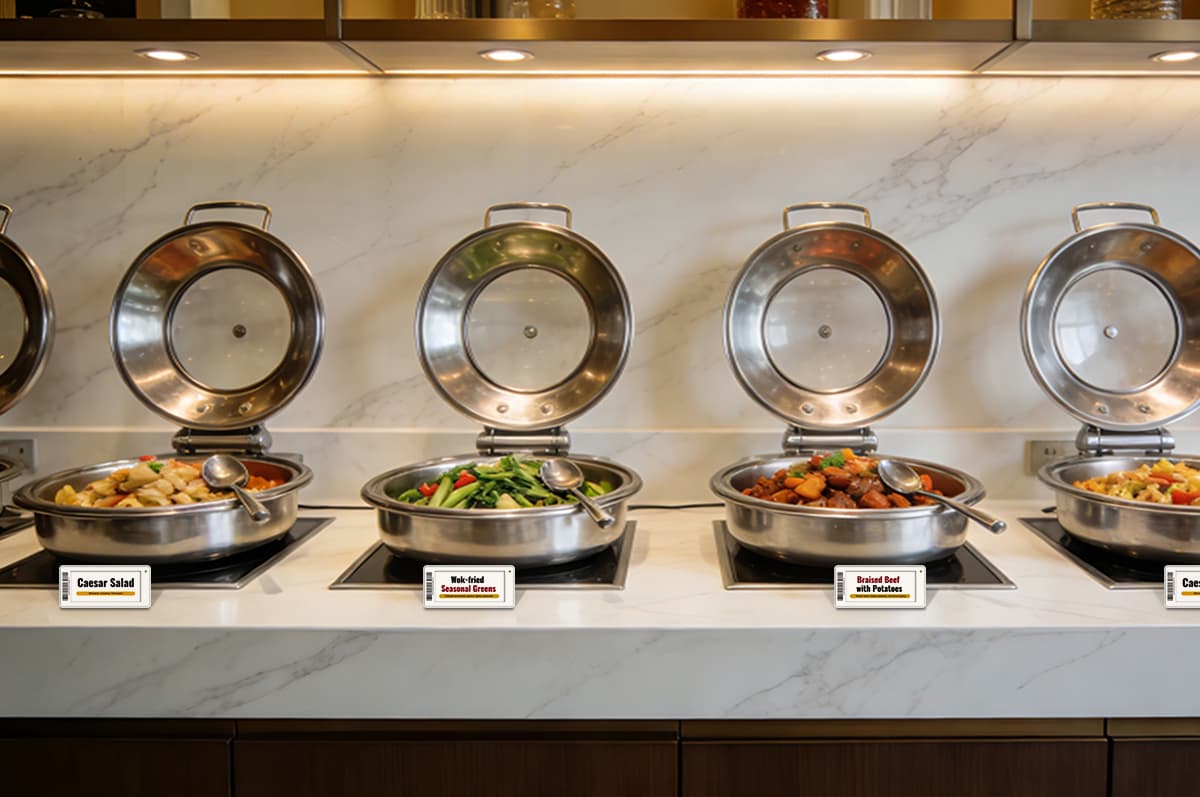
How Do Electronic Shelf Labels Improve Restaurant and Buffet Management?
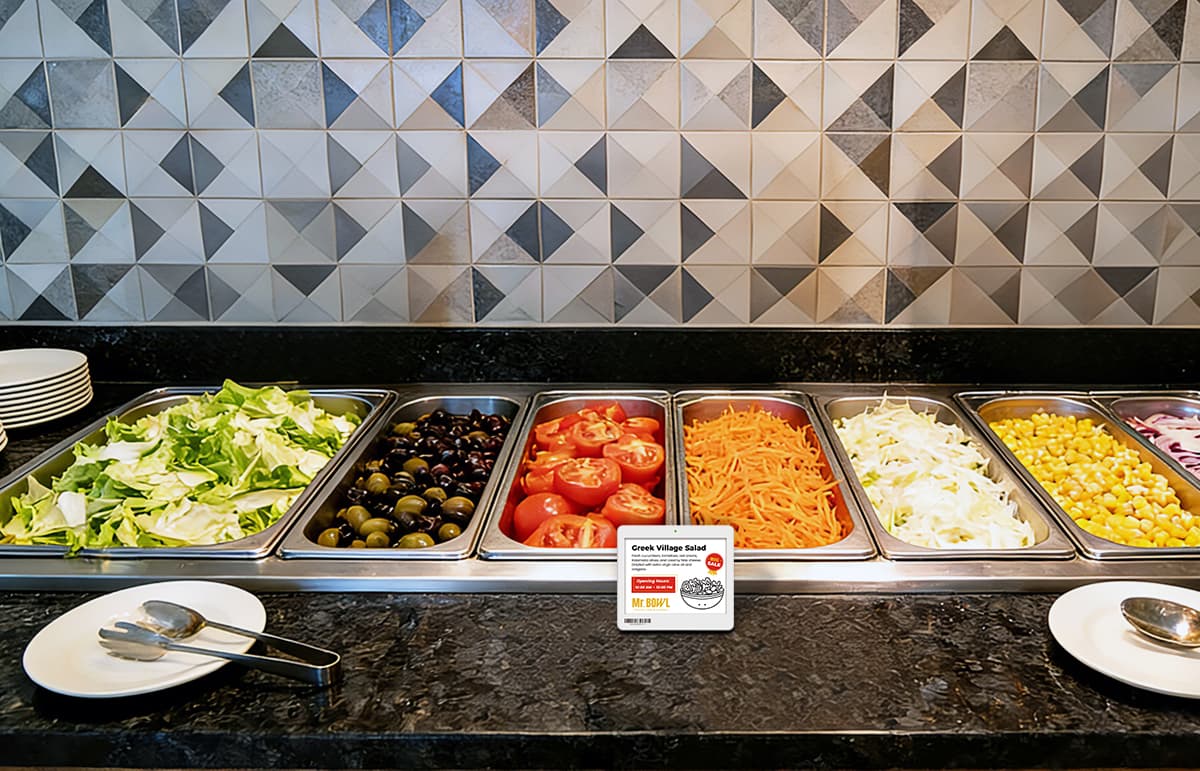
In hotel dining areas, Electronic Shelf Labels provide a modern solution for managing pricing and product information.
They enable real-time updates, reduce manual errors, and ensure consistency across menus and buffet displays. This not only improves operational efficiency but also enhances guest trust.
How Does Digital Signage Enhance the Guest Experience in a Smart Hotel?
How Does Hotel Lobby Digital Signage Improve Navigation and Convenience?
Large hotels often face navigation challenges. Guests may struggle to locate rooms, event spaces, or facilities.
With hotel lobby digital signage, hotels can provide clear directions, event schedules, and real-time updates, improving convenience and reducing guest frustration.
How Can Real-Time Information Improve the Guest Journey?
Guests expect instant access to relevant information. Digital displays allow hotels to share weather updates, local events, and transportation details in real time.
This enhances the overall guest experience and aligns with the expectations of modern travelers.
What Role Does Personalization Play in Smart Hotel Experiences?
Personalization is becoming a key differentiator in hospitality. Digital signage enables context-aware messaging and targeted promotions based on location and timing.
This supports the broader vision of a smart hotel, where technology adapts to guest needs and enhances their overall experience.
How Can Digital Signage Strengthen Hotel Visual Marketing and Brand Experience?
Why Is Visual Merchandising Important for Modern Hotels?
In today’s competitive hospitality market, visual presentation is no longer limited to interior design. Hotels are increasingly using digital displays as part of their branding strategy to create immersive environments.
Compared to static posters, digital signage for hotels enables dynamic storytelling through motion graphics, video content, and real-time updates. This allows hotels to refresh their visual identity without additional material costs continuously.
How Can Hotels Use Digital Displays to Create Premium Guest Experiences?
High-quality displays placed in key areas such as lobbies, lounges, and corridors help establish a premium atmosphere. Content such as brand stories, destination highlights, and curated experiences can enhance emotional engagement.
This approach not only improves perception but also strengthens brand recall, making the hotel more memorable to guests.
Can Digital Signage Encourage Social Sharing and Guest Interaction?
Visually engaging displays can turn hotel spaces into shareable moments. Guests are more likely to take photos or videos in visually appealing environments, especially when digital content is involved.
This organic exposure supports brand visibility across social platforms without additional marketing spend.
Where Should Hotels Install Digital Signage for Maximum ROI?
What Are the Most Effective Locations for Hotel Digital Signage?
Strategic placement is critical to maximizing the impact of digital signage for hotels. High-traffic and high-dwell-time areas deliver the strongest results.
Key deployment areas include:
Lobby: Welcome messaging, branding, and promotions
Elevators: High-frequency exposure for advertising
Restaurants: Digital menus and Electronic Shelf Labels
Conference Areas: Meeting schedules and navigation
Guest Floors: Informational displays and service promotions
By focusing on these touchpoints, hotels can significantly improve communication efficiency and revenue opportunities.
How Does a Phased Deployment Strategy Reduce Risk?
Hotels do not need to implement a full-scale system immediately. A phased approach—starting with high-impact areas such as the lobby and restaurant—allows operators to evaluate performance and ROI before expanding.
This strategy minimizes upfront investment while delivering measurable results early in the process.
What Should Hotels Look for in a Digital Signage and ESL Solution Provider?
Why System Stability and Scalability Matter
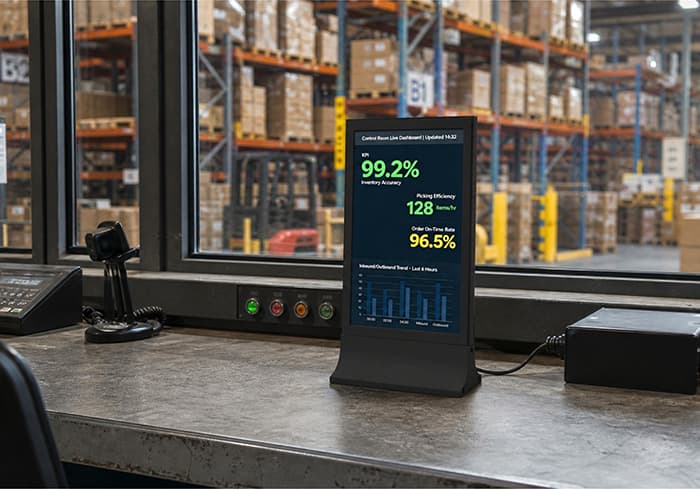
Hotel environments require reliable systems that can operate continuously without disruption. Stability, long-term durability, and centralized management capabilities are essential factors when selecting a solution.
Scalability is equally important, especially for hotel groups planning future expansion.
How Integrated ESL and Digital Signage Solutions Improve Efficiency
An integrated system that combines Electronic Shelf Labels with digital signage for hotels allows unified content management across all touchpoints.
This reduces operational complexity and ensures consistent communication across departments, from food service to guest information systems.
How Datallen Supports Smart Hotel Display Transformation
Datallen provides a range of LCD digital signage and ESL solutions designed for commercial environments, including hospitality. Its systems focus on stable performance, flexible deployment, and centralized content management.
By supporting multiple display sizes and application scenarios, Datallen solutions can be adapted to hotel lobbies, dining areas, and retail spaces. This makes it easier for hotels to build scalable smart hotel solutions without increasing operational complexity.
More importantly, the combination of ESL and digital signage enables hotels to unify pricing, promotions, and brand communication under one system, improving both efficiency and guest experience.
FAQs: What Hotel Operators Want to Know About Digital Signage
Is digital signage worth the investment for hotels?
Yes. Digital signage for hotels delivers measurable ROI by increasing ancillary revenue, reducing printing and labor costs, and improving guest engagement. Over time, it transforms from a cost center into a revenue-generating asset.
Where should hotels install digital signage first?
Hotels should prioritize high-traffic areas such as lobbies, elevators, and restaurants. These locations offer the highest visibility and the greatest potential for revenue generation.
How do Electronic Shelf Labels work in hotels?
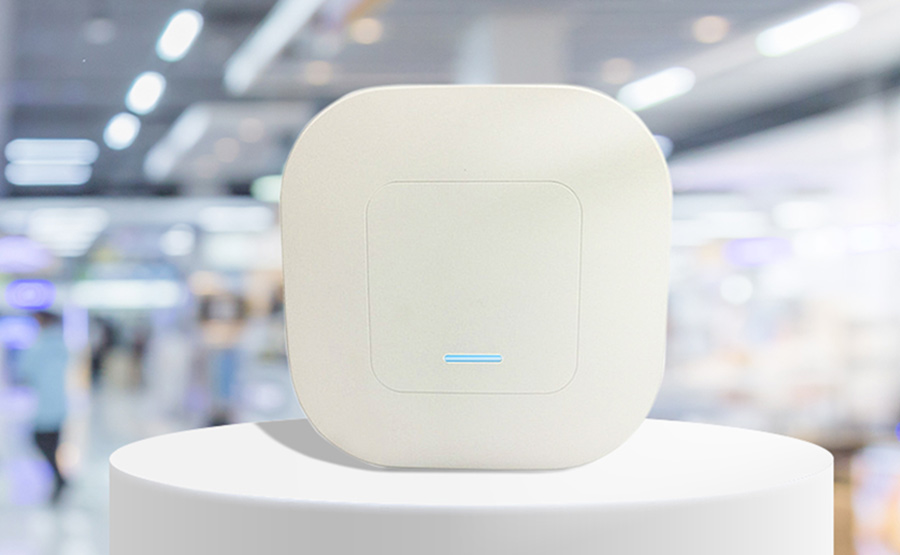
Electronic Shelf Labels use wireless communication to update pricing and product information in real time. In hotels, they are commonly used in restaurants, buffets, and minibar setups to ensure accuracy and efficiency.
Can small hotels benefit from smart hotel solutions?
Absolutely. Even small hotels can benefit by starting with a limited deployment, such as a lobby display or restaurant signage. This allows them to improve efficiency and guest experience without large upfront investments.
What content works best on hotel digital signage?
Effective content includes promotional offers, local recommendations, event schedules, and brand storytelling. The key is to balance informative and promotional content to maintain guest engagement.