Your client's conference room still uses a laminated paper sign taped to the door. Every time a meeting changes, someone has to print a new one. It looks dated, it wastes staff time, and it doesn't communicate anything beyond a room number.
This is the reality for countless offices, hotels, and institutions — and it's exactly why system integrators and AV resellers are seeing growing demand for digital door signs. Your clients want something that looks modern, updates instantly, and eliminates the endless cycle of reprinting and replacing.
A digital door sign solves all of this. It's an electronic display mounted outside a room or office that shows real-time information — room numbers, schedules, occupancy status, even promotional content. And when it comes to choosing the right display technology, LCD stands out as the most versatile and visually compelling option for most environments.
This guide covers everything you need to know about digital door signs: what they are, how they compare to alternatives, where they deliver the most value, and what to look for when specifying one for your next project.
What Is a Digital Door Sign?
A digital door sign is an electronic display mounted on or beside a door that communicates information about the space behind it. This can include room numbers, occupant names, current meeting schedules, availability status (occupied/vacant), and even promotional messages or wayfinding information.
The fundamental difference between a digital door sign and a traditional static sign is adaptability. A printed sign says one thing, forever. A digital sign changes as circumstances change — when a meeting starts, when a room is repurposed, when an employee changes roles, or when a hotel guest checks in.
Digital door signs are available in several display technologies, with LCD and E-Ink being the most common. LCD digital signage offers vibrant color reproduction and the ability to show video and complex graphics. E-Ink displays are extremely energy-efficient and have a paper-like appearance, but are best suited for static or slowly changing content due to their refresh rate and color limitations.
This guide focuses primarily on LCD-based digital door signs. This technology delivers the richest visual experience and the greatest flexibility for content-rich environments like corporate offices, hotels, and public institutions.
The Real Value of Digital Door Signs — An Integrator's Perspective
For system integrators and resellers, digital door signs represent more than just a product category — they solve real problems that your clients face every day.
Pain Point 1: Static signage is a maintenance nightmare. Every time a room changes purpose, an employee moves offices, or a meeting schedule shifts, someone has to design, print, cut, and install a new sign. This consumes staff hours, generates material waste, and creates delays. A digital door sign eliminates this entirely — updates happen in seconds from a central dashboard, with no physical intervention required.
Pain Point 2: Static signage looks outdated. In premium office buildings, boutique hotels, and modern coworking spaces, a laminated paper sign or a cheap plastic plaque undermines the entire aesthetic. Clients want their spaces to look professional, polished, and current. A digital door sign with a crisp LCD digital signage projects modernity and attention to detail — exactly the impression that premium clients want to make.
Pain Point 3: Static signage is a missed opportunity. A door is prime real estate for communication. With a static sign, that space is wasted. With a digital door sign, that same space becomes a dynamic communication channel — showing meeting details, promoting events, displaying branded content, or even generating advertising revenue.
For integrators, this creates a compelling upsell opportunity. Once a client experiences the convenience and visual impact of a digital door sign, they rarely go back to paper.
LCD vs. E-Ink vs. Traditional: Which Technology Wins?
Choosing the right display technology for your digital door sign depends on your specific needs. Here's how the three main options compare.
Traditional Static Signs:
Pros: Low upfront cost. No power required. Virtually zero maintenance. Durable materials like metal, wood, or acrylic can last for years.
Cons: Every change requires physical replacement. Cannot display dynamic information. No real-time updates. Creates ongoing material and labor costs. Limited to text and simple graphics.
Best for: Permanent, unchanging identification where content never needs to update.
E-Ink Displays:
Pros: Extremely low power consumption — batteries can last years. Paper-like appearance that's easy on the eyes. No glare in bright lighting. Wireless installation possible with no power cabling required.
Cons: E-Ink displays can update content remotely — that's one of their key advantages. However, they are limited in color reproduction and cannot display video or animations effectively. Refresh rates are slower, making them less suitable for frequently changing content. Color E-Ink panels also cost significantly more than LCDs of comparable size.
Best for: Simple nameplates, room numbers, and basic status indicators where content changes infrequently, and visual richness is not a priority.
LCD Digital Signage
Pros: Rich, vibrant color reproduction. Ability to display video, animations, and complex graphics. High brightness and excellent visibility in various lighting conditions. Wide viewing angles. Can show multiple content types simultaneously (text, images, video, QR codes). Modern 10-inch-class LCD panels consume very little power — typically well under 10 watts in operation.
Cons: Requires a power source. Higher power consumption than E-Ink, though the gap narrows significantly with modern energy-efficient panels.
Best for: Conference rooms, hotel lobbies, executive offices, waiting areas — anywhere that benefits from rich, dynamic content and frequent updates.
The LCD Advantage
For most modern workplaces, LCD offers the best balance of functionality and visual impact. A 10.1-inch LCD digital door sign delivers a large, clear display that's readable from a distance while supporting the full range of content types — from simple room numbers to promotional videos to real-time calendar integrations.
The power requirement is often overstated. Modern 10-inch-class LCD panels consume very little power, making them economical to run 24/7.
Five Core Capabilities of a Modern LCD Digital Door Sign
A well-designed LCD digital door sign is more than just a screen on a door. Here are the capabilities that deliver real value.
1. Dynamic Multimedia Content
Unlike static signs that can only show what's printed on them, a digital door sign supports a wide range of content types — text, images, videos, animations, QR codes, and status indicators. This means one device can serve multiple purposes: room identifier, wayfinding aid, promotional display, and communication channel, all in one.
2. Real-Time Status Updates
When a meeting starts, the sign updates. When a room becomes available, the sign reflects it. When a hotel guest activates "Do Not Disturb," the sign displays it. This real-time capability eliminates confusion and improves the experience for everyone who interacts with the space.
3. Centralized Remote Management
This is perhaps the most transformative feature. Instead of sending someone to physically change each sign, administrators update content from a central dashboard — whether for one sign or hundreds. Changes are pushed instantly across the network, eliminating the labor, material waste, and delays associated with traditional signage updates.
4. Always-On Reliability
Digital door signs are designed for continuous operation. Modern LCD panels support 7×24-hour operation with low power consumption and minimal heat generation. This reliability means the sign is always ready to display the right information at the right time.
5. Environmental Adaptability
Quality digital door signs are built to withstand the realities of real-world environments. Dust protection, moisture resistance, and electromagnetic interference shielding ensure stable operation in offices, hotels, hospitals, and other demanding settings. This durability translates to a longer service life and lower total cost of ownership than traditional alternatives.
Where Digital Door Signs Deliver the Most Value
Digital door signs are versatile enough to add value across a wide range of environments. Here are the most common and impactful applications.
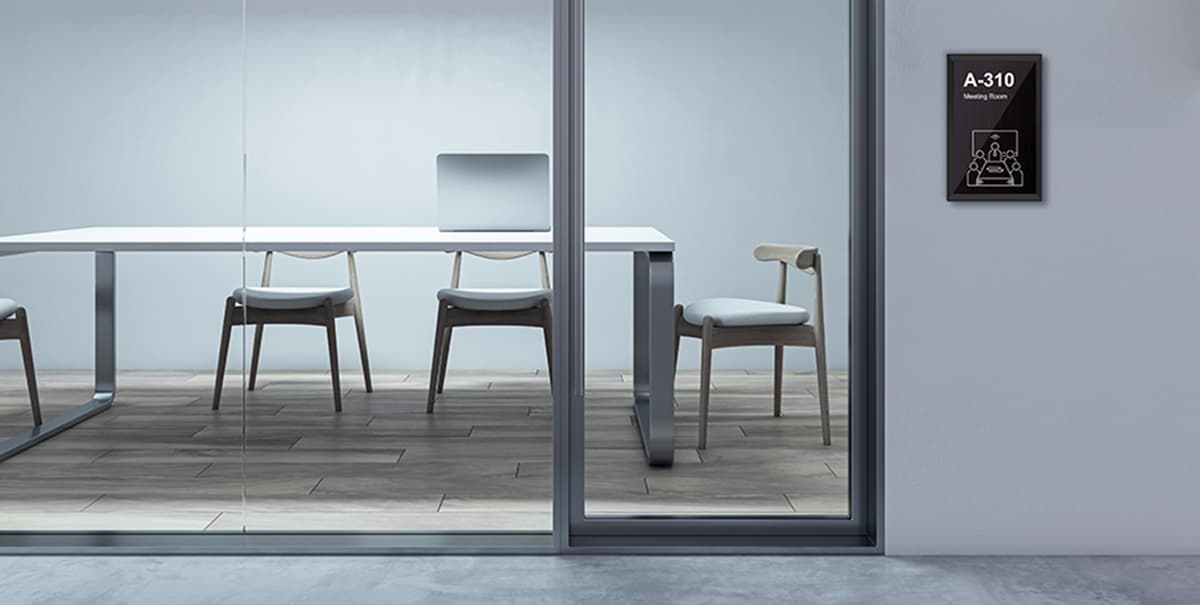
Conference Room Digital Signage
This is the largest and fastest-growing application for digital door signs. Mounted outside meeting and conference rooms, these displays show the current meeting, its duration, the organizer, and upcoming bookings. Employees can see at a glance whether a room is available, who's using it, and when it will be free.
Conference room digital signage reduces the time employees spend searching for available space, eliminates the awkwardness of interrupting meetings, and helps organizations maximize their real estate investment.
Waiting Room Digital Signage
In medical offices, clinics, and service centers, waiting room digital signage keeps patients and visitors informed. Displays can show queue status, estimated wait times, safety announcements, and practice information. This reduces anxiety, improves the patient experience, and communicates important messages efficiently.

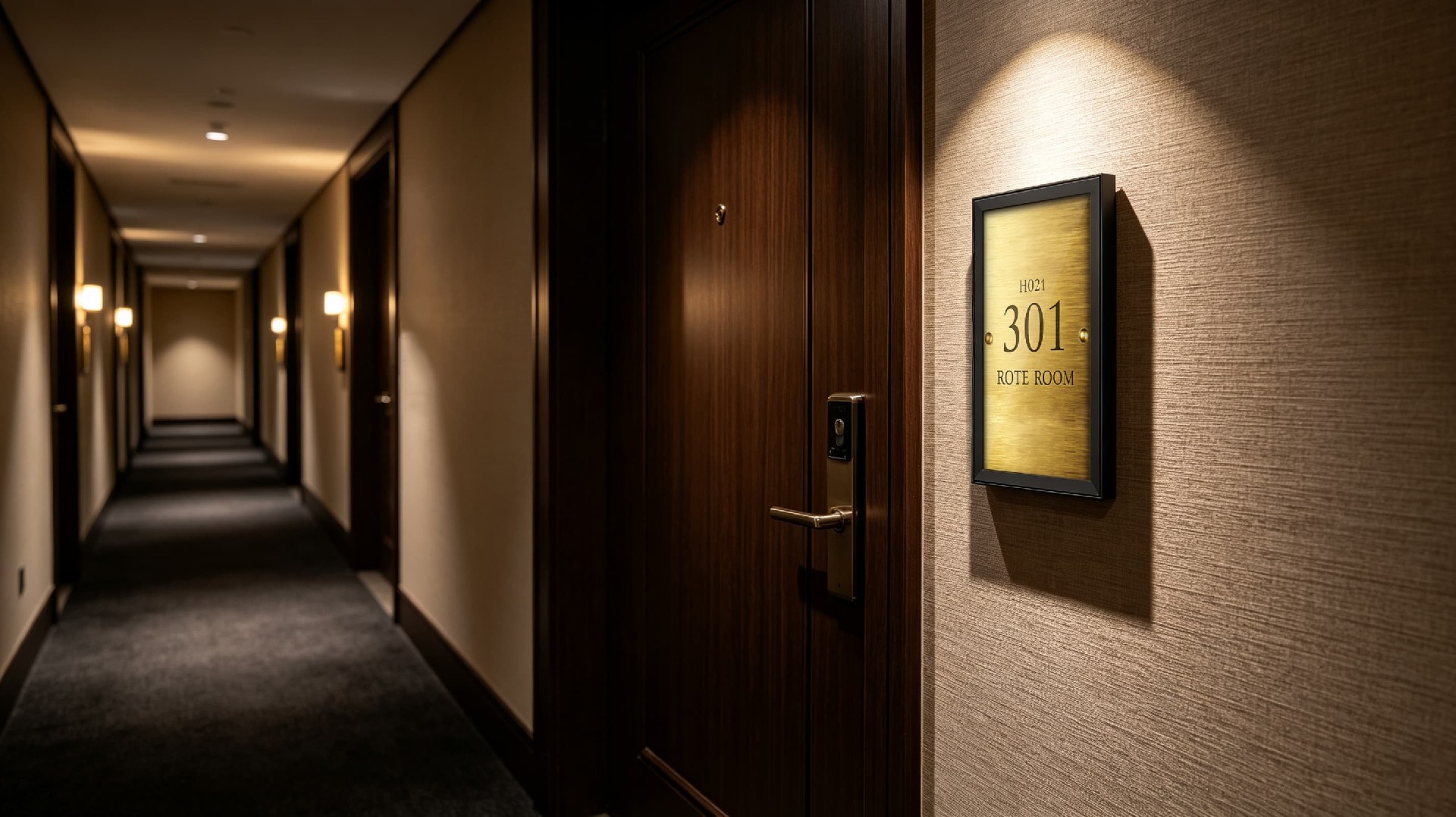
Hotel Room Door Signs
Hotel room door signs — also known as door sign hotel products — are transforming the guest experience. Digital door signs can display the room number, guest name (for personalized greetings), and service indicators like "Do Not Disturb," "Make Up Room," or "Occupied." Some systems even allow guests to customize these settings via the room's TV or mobile app.
Hotels adopting digital door signs signal modernity and attention to detail, which can justify premium room rates and improve guest satisfaction scores.
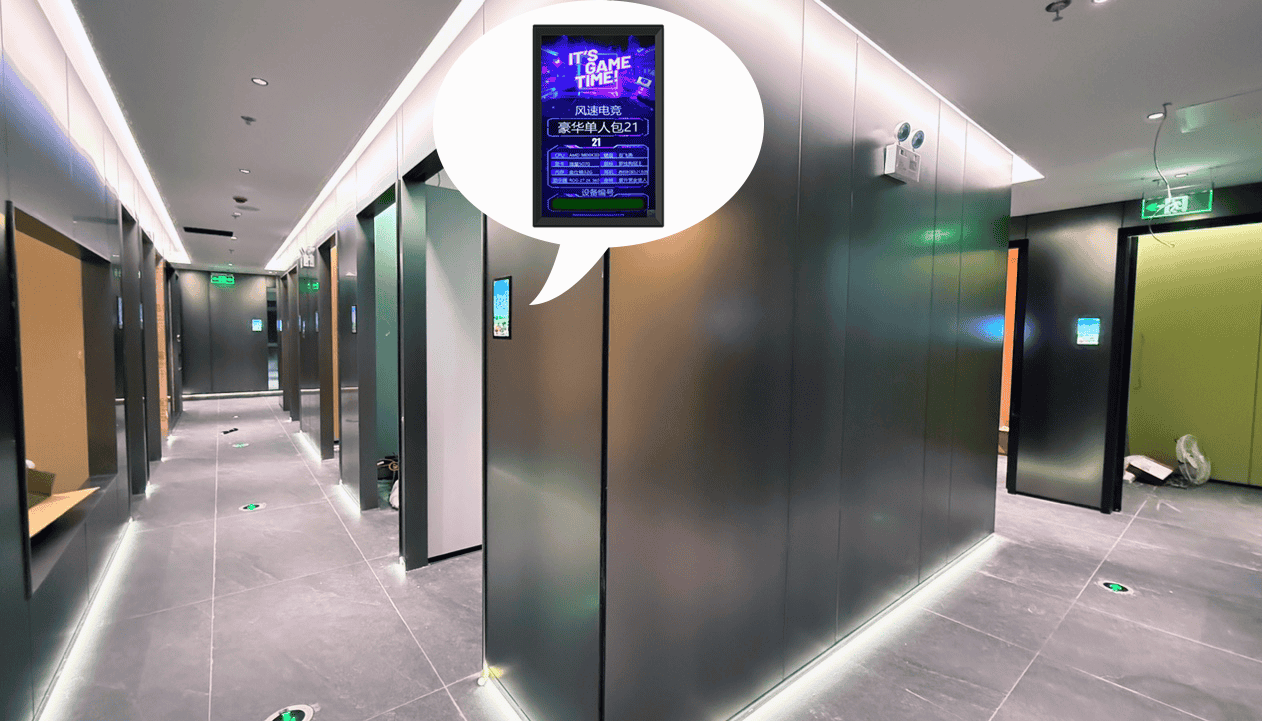
Esports & Gaming Room Digital Signage
In the booming esports and gaming industry, the gaming suite entrance is the first impression. Mount an LCD digital door sign outside each private gaming room to showcase the room's theme – whether it's a battle arena, a racing simulator, or a fantasy RPG environment. The display can clearly show the room number, the game title currently featured, and key hardware specs like graphics cards, refresh rates, and peripherals. This not only helps players find their reserved space instantly but also builds excitement before they even step inside. For gaming centers and esports venues, these digital screens transform ordinary doors into dynamic promotional boards, highlighting tournament schedules, sponsor messages, or special in‑game events – all of which enhance the customer experience and drive repeat visits.
Advertising & Promotional Display
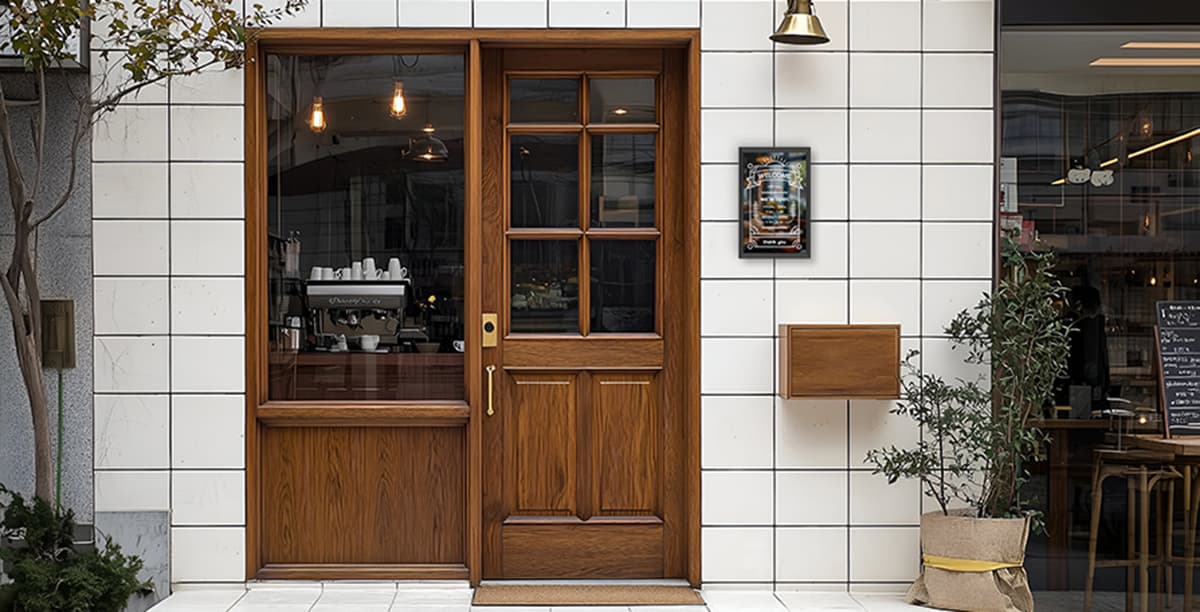
Beyond room identification, digital door signs serve as powerful advertising and promotional tools. In a restaurant or café, a digital door sign at the entrance can display the day's menu, daily specials, or upcoming events — enticing passersby to step in. In a hotel setting, door sign hotel displays can show promotional videos, spa packages, or event sponsorships, turning every door into a potential revenue stream.
This is a particularly compelling value proposition for hotels and hospitality venues. By selling advertising space on their digital door signs — promoting local businesses, in-house services, or third-party brands — properties can generate incremental revenue from screens that would otherwise display only static information. For system integrators, this creates an ongoing content management opportunity beyond the initial hardware sale.
Executive Offices and Department Entrances
For C-suite offices and department entrances, digital door signs provide a polished, professional appearance while delivering practical functionality. They can display the occupant's name and title, current status (in a meeting, available, traveling), and even a calendar of upcoming appointments.
Commercial Buildings and Shared Workspaces
In multi-tenant commercial buildings and coworking spaces, digital door signs help occupants and visitors navigate complex floor plans. They can display tenant names, suite numbers, and real-time availability for bookable spaces like phone booths and huddle rooms.
How to Choose the Right Digital Door Sign: A Buyer's Guide
With multiple technologies and vendors in the market, here's what to consider when selecting a digital door sign solution.
1. Display Technology
Start with your content needs. If you primarily display text and simple icons, and power is difficult to run to the door, E-Ink may be a viable option — though it's worth noting that color E-Ink panels cost significantly more than LCDs of the same size. If you need to show rich visuals, videos, or frequently updated content — which is true for most conference rooms, hotels, and executive offices — LCD is the clear choice.
2. Screen Size
For door-mounted applications, 10.1 inches has emerged as the sweet spot. It's large enough to be readable from a distance (crucial for wayfinding) but compact enough not to overwhelm a standard door. Smaller screens can be hard to read; larger screens can look out of proportion.
3. Installation and Power
Consider how the sign will be powered. Options include direct AC power and battery operation (primarily for E-Ink). For new installations, plan for power availability at each door location.
4. Content Management Platform
The management software is just as important as the hardware. Look for a platform that enables centralized control, scheduled updates, integration with enterprise backend systems, and the ability to manage multiple digital signage displays from a single dashboard.
5. Environmental Durability
Consider where the sign will be installed. High-traffic corridors, hotel hallways, and near entrances may expose the sign to dust, humidity, and temperature fluctuations. Look for signs with appropriate ingress protection ratings and robust construction.
6. Aesthetics
A digital door sign is a visible part of your environment. It should complement — not clash with — your interior design. Slim bezels, neutral color options, and a professional appearance matter, especially in premium settings like executive offices and luxury hotels.
Datallen's Approach to Digital Door Signage
Having established what makes a great digital door sign, it's worth looking at how these principles come together in a real product.
Datallen's 10.1-inch LCD digital door sign represents a thoughtful response to the needs of modern offices, hotels, and institutions. The 10.1-inch high-definition display delivers a wide viewing angle and crisp image quality — essential for readability in hallways where people approach from different angles. The large screen is a significant upgrade from the cramped, hard-to-read text typical of traditional door plaques.
The display supports dynamic content including text, images, video, and status indicators, meaning a single sign can replace multiple traditional signs: room identifiers, notice boards, welcome signs, and directional markers. This versatility translates to better value for organizations looking to streamline their signage.
From an operational perspective, the remote management capability is transformative. Administrators can update content across any number of signs from a central dashboard — no ladders, no screwdrivers, no reprinting. When a meeting room changes purpose or an employee moves offices, the update happens in minutes, not days.
The low-power design supports 24/7 operation without generating excessive heat or consuming significant electricity. Enhanced dust and moisture protection ensures reliable operation in the varied environments where digital door signs are deployed — from climate-controlled offices to hotel corridors with variable conditions.
The clean, minimalist design adapts to diverse architectural styles, making it suitable for office buildings, hotels, government institutions, conference centers, and premium residential properties. It's a cost-effective path to smarter, more responsive space identification.
Frequently Asked Questions About Digital Door Signs
Q1: What is a digital door sign and how does it work?
A digital door sign is an electronic display mounted outside a room or office that shows real-time information about that space. It connects to a network and receives content updates from a central management system. The display can show room numbers, occupant names, meeting schedules, status indicators (occupied/vacant), and other dynamic content.
Q2: What's the difference between LCD and E-Ink digital door signs?
LCD displays offer rich color, video capability, and high brightness — ideal for content-rich environments like conference rooms and hotels. E-Ink displays are extremely power-efficient with a paper-like appearance and can update content remotely, but they are limited in color reproduction and cannot display video or animations effectively. Choose LCD for dynamic, visually rich content; choose E-Ink for simple, infrequently updated information where power is limited.
Q3: Can digital door signs integrate with calendar systems?
Yes. Most digital door sign solutions integrate with Microsoft Outlook, Google Calendar, and other calendar platforms. This integration enables automatic updates — when a meeting is scheduled, the sign displays it; when the meeting ends, the sign updates to show the room as available.
Q4: Are digital door signs difficult to install?
Installation complexity varies. Battery-powered E-Ink signs can be mounted with minimal effort and no wiring. LCD signs require a power source. However, for new construction or renovations, planning for power at each door location is straightforward.
Q5: How much does a digital door sign cost to operate?
Operating costs are minimal. Modern 10-inch LCD panels consume very little power — typically well under 10 watts — making 24/7 operation economical. The primary cost is the initial hardware investment, which is offset by eliminating the ongoing labor and material costs of traditional printed signage.
Q6: Can I use a digital door sign in a hotel setting?
Absolutely. Hotel room door signs are one of the fastest-growing applications. They can display room numbers, guest names (for personalization), and service status indicators like "Do Not Disturb," "Make Up Room," and "Occupied." This improves guest experience and operational efficiency.
Q7: What happens if the power goes out?
Most digital door signs are designed to resume normal operation automatically when power is restored. For critical applications, some systems include battery backup or can be configured to display a static fallback image.
Conclusion
The era of static, printed door signs is ending. For system integrators and resellers, digital door signs represent a significant opportunity — a product that solves real client pain points (outdated aesthetics, maintenance headaches, missed communication opportunities) while creating ongoing service revenue.
LCD-based solutions offer the richest visual experience and greatest content flexibility, making them the ideal choice for conference rooms, hotels, and premium office environments where image matters. Whether you're specifying conference room digital signage, waiting room digital signage, or hotel room door signs, LCD delivers the visual impact and dynamic capabilities that today's clients expect.
For more insights, check out:
1. Smart Hotel Solutions: How Electronic Shelf Labels for Hotels Increases Revenue and Efficiency
2. How to Choose Retail Store Digital Signage Solutions: Total Cost & Key Considerations
3. LCD vs LED vs QLED: A Definitive Guide for Display Technology Selection
4. How to Select Among Various Types of Digital Signage
5. Datallen | Digital Signage Costs 2025: Buying & Installation Guide